Getting started with middle school art lessons doesn’t have to mean spending hours preparing materials or creating complicated demonstrations. Whether you’re teaching in a classroom, homeschooling, or looking for fresh ideas for the new school year, having a few reliable, classroom-tested projects can make planning much easier.
After teaching middle school art for many years, I’ve found that students don’t necessarily need more complicated projects—they need clear instructions, engaging themes, and enough creative freedom to make the work their own. That’s why every lesson in this list combines core art concepts with themes that middle school students naturally connect with, such as Minecraft-inspired worlds, fantasy creatures, gaming, architecture, street art, and design.
Better yet, each lesson includes ready-to-teach resources designed to save teachers time while keeping students actively engaged.
Before we dive in, I’ve included a quick list of materials you’ll need to get started. Most of these are basics you probably already have.
These are the core materials needed to run all 5 lessons. You most probably have these in your classrooms as well as homeschool setup.
Note: This post contains affiliate links. I may get a small commission from qualifying purchases at no extra cost to you.
Drawing Tools:
- Pencils (HB or 2B)
- Erasers
- Black fine liners or pens
- Ruler
Coloring Materials:
(Use whatever you already have)
- Colored pencils
- Markers or crayons
Paper:
- Drawing paper or sketchbook
- Printer paper (I recommend A3 for worksheets / printables)
Basic Tools:
- Scissors
- Glue stick
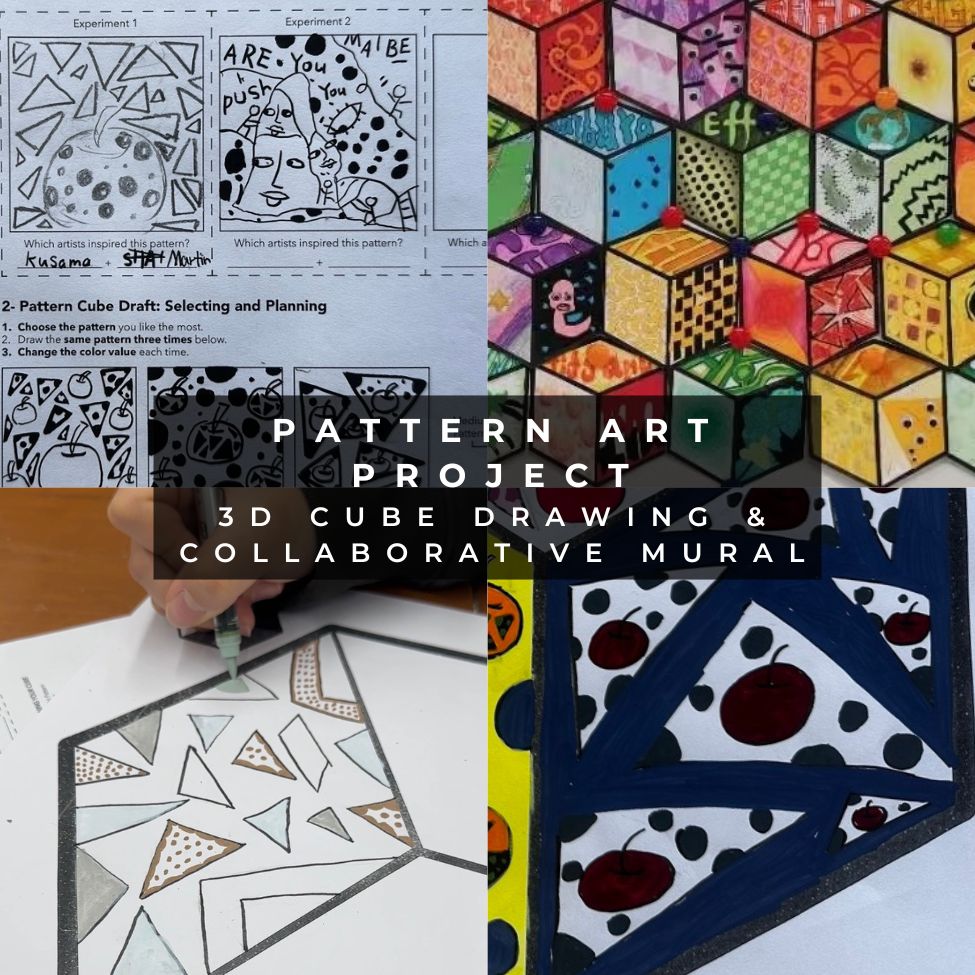
1. Pattern Art Project | 3D Cube Drawing & Collaborative Mural
- Target Skill: Pattern design, value control, collaboration
- Topic: Elements of Art (Pattern, Value) + 3D Form
This project introduces students to pattern design and gradually builds toward a 3D outcome. We completed this project in a span of 3 weeks (6 lessons, 45-50 minutes each).
- Students begin by experimenting with different pattern styles and learning how to create variation using spacing, repetition, and line.
- They then apply these patterns to cube templates, using light, medium, and dark values to create the illusion of form.
- The final step brings everything together into a collaborative mural, where individual cubes combine into one large display.
In my lesson bundle, I created 5 worksheets with instructions to help students gradually build skills:
Week 1: Pattern Study – Look, Analyse, Practice (Editable version included:.pptx, .doc)
Week 2: Pattern Experiments – Mix, Test, Create (+ Vibe Check)
Week 3: Refine Your Pattern – Light, Medium & Dark
Week 3: Pattern Cube Design – Turn Pattern to 3D Art
You can check it out here: 3D Cube Drawing & Collaborative Mural | Middle School Art Lesson & Worksheets
Here are examples of my students’ work and the 3D mural they made at the end of the project:
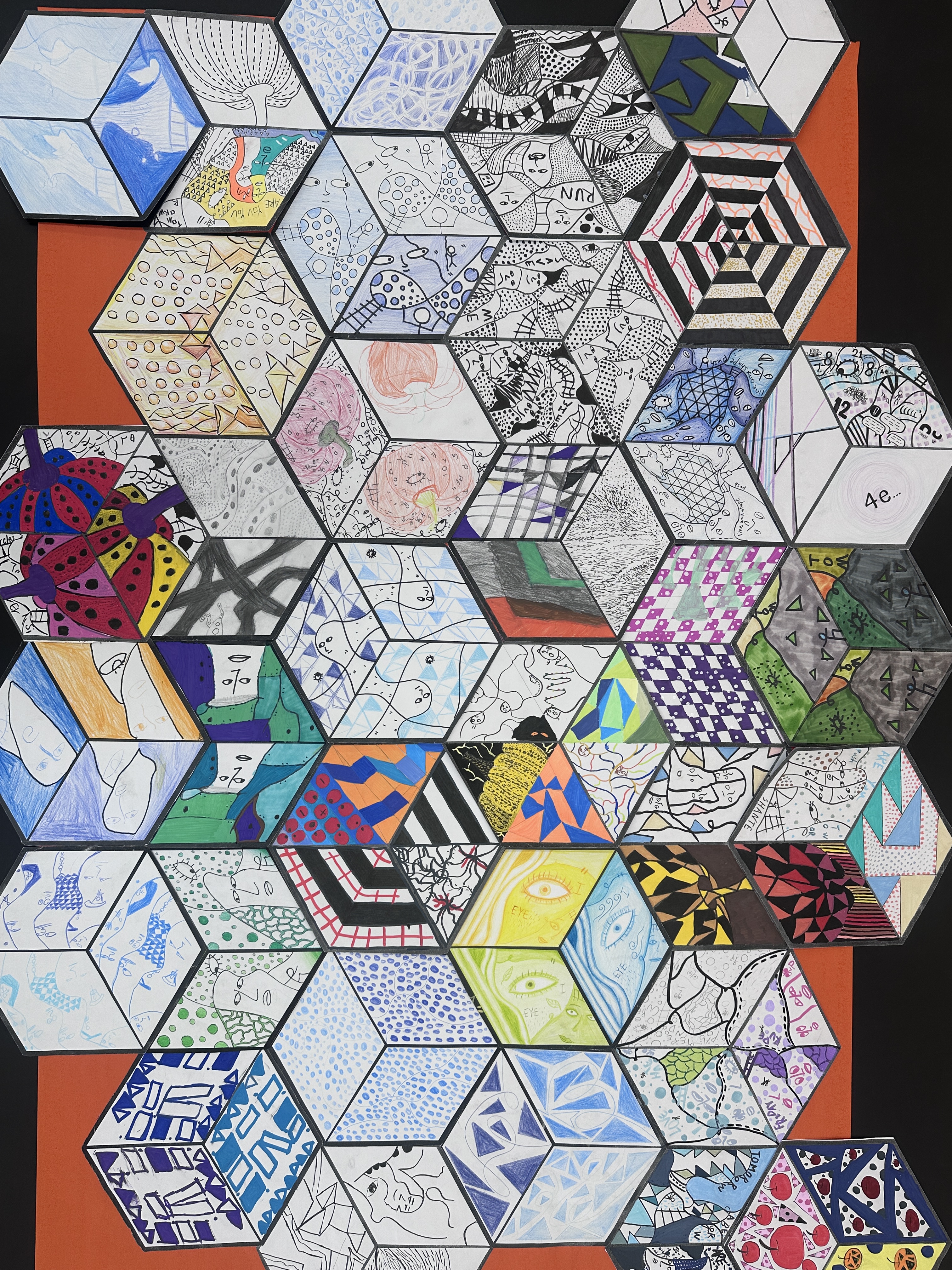
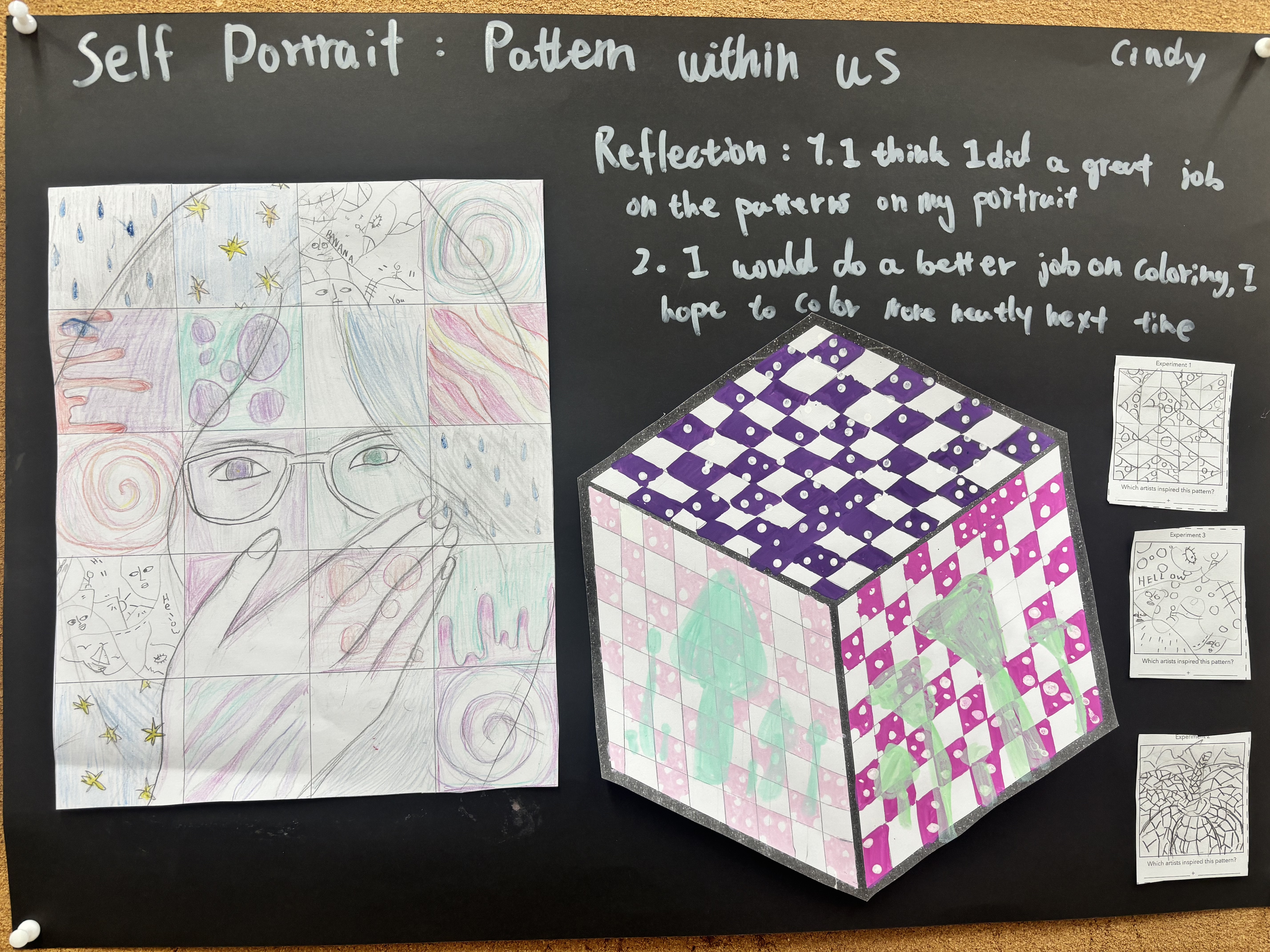
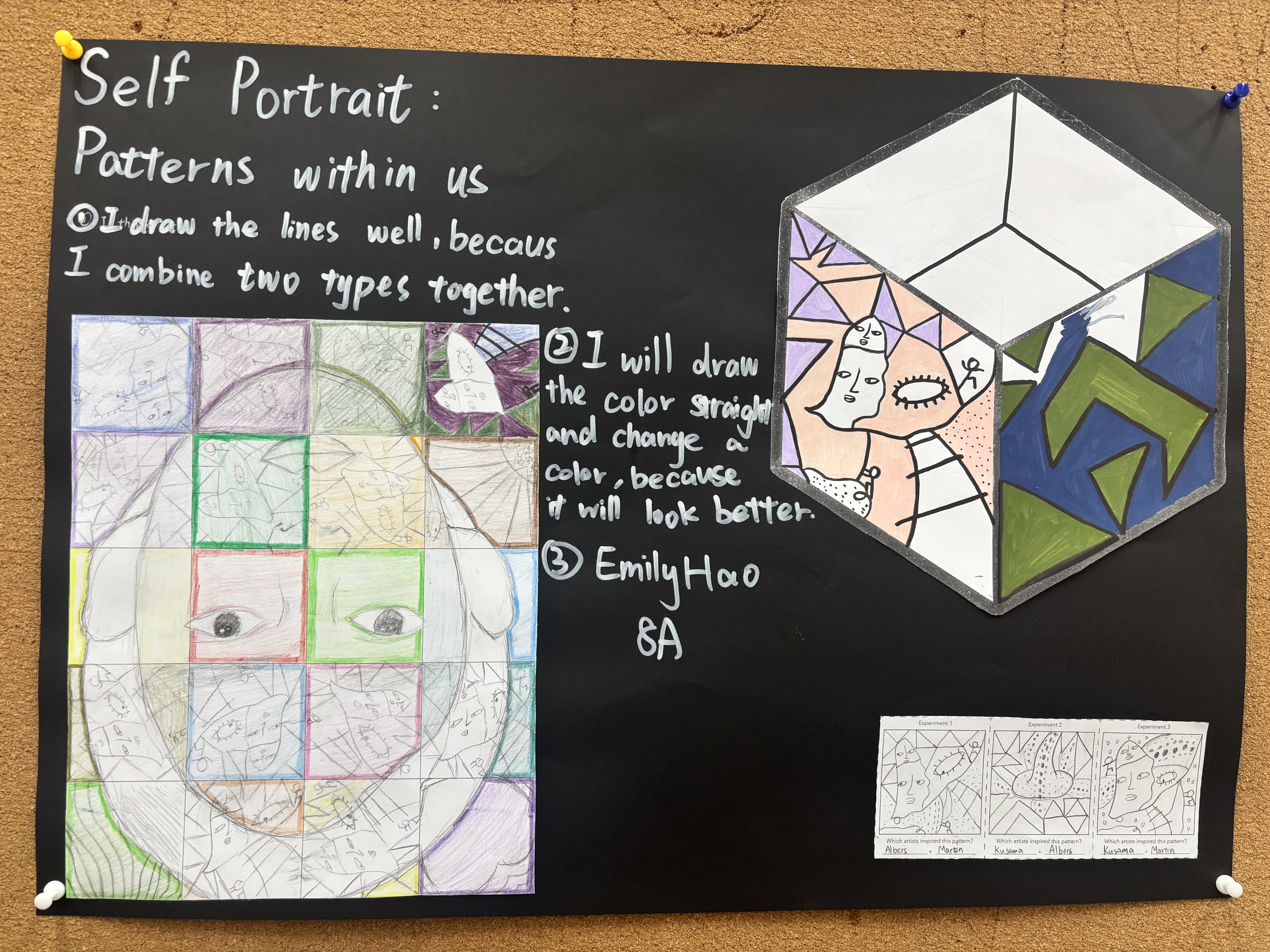
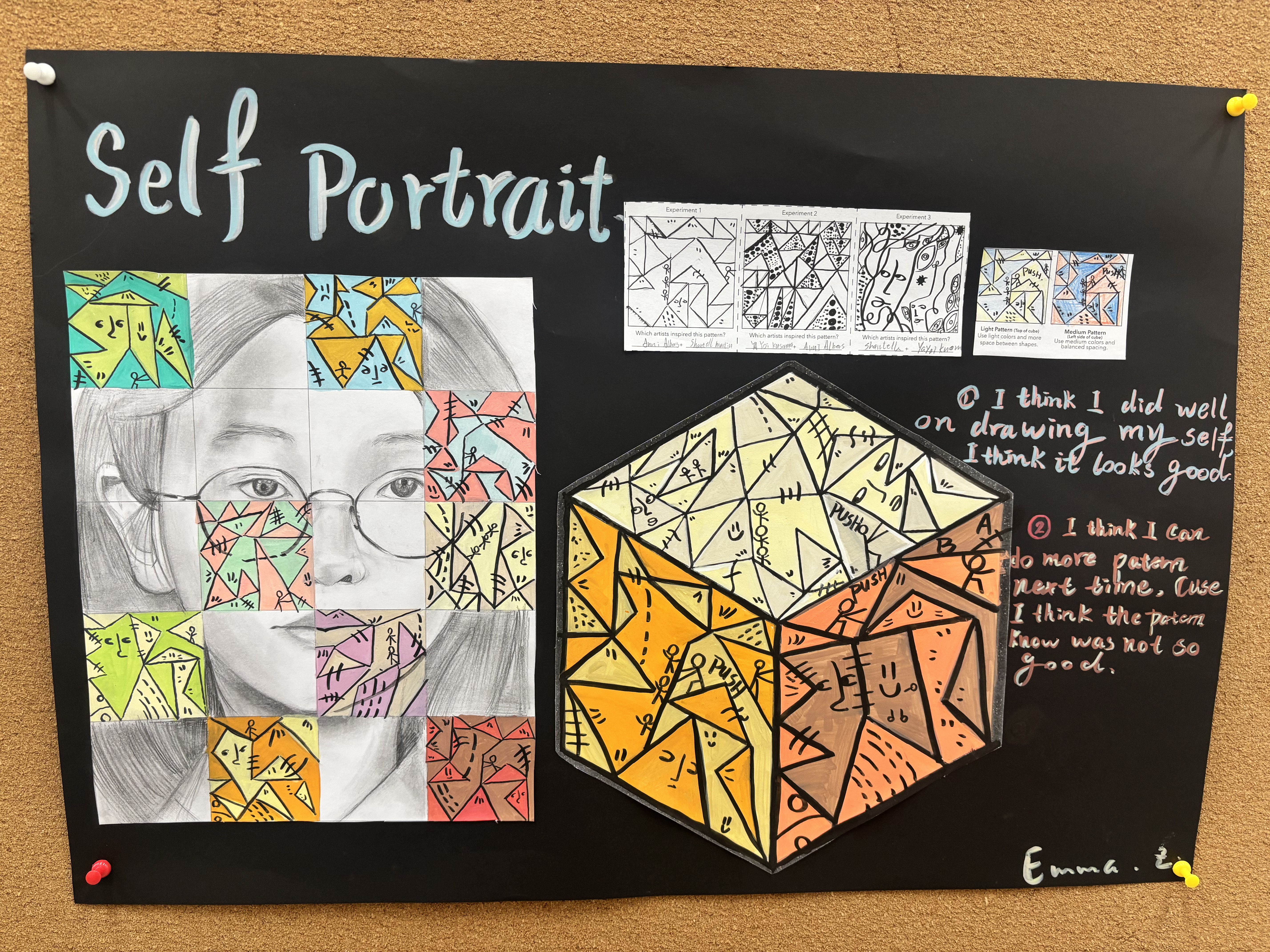
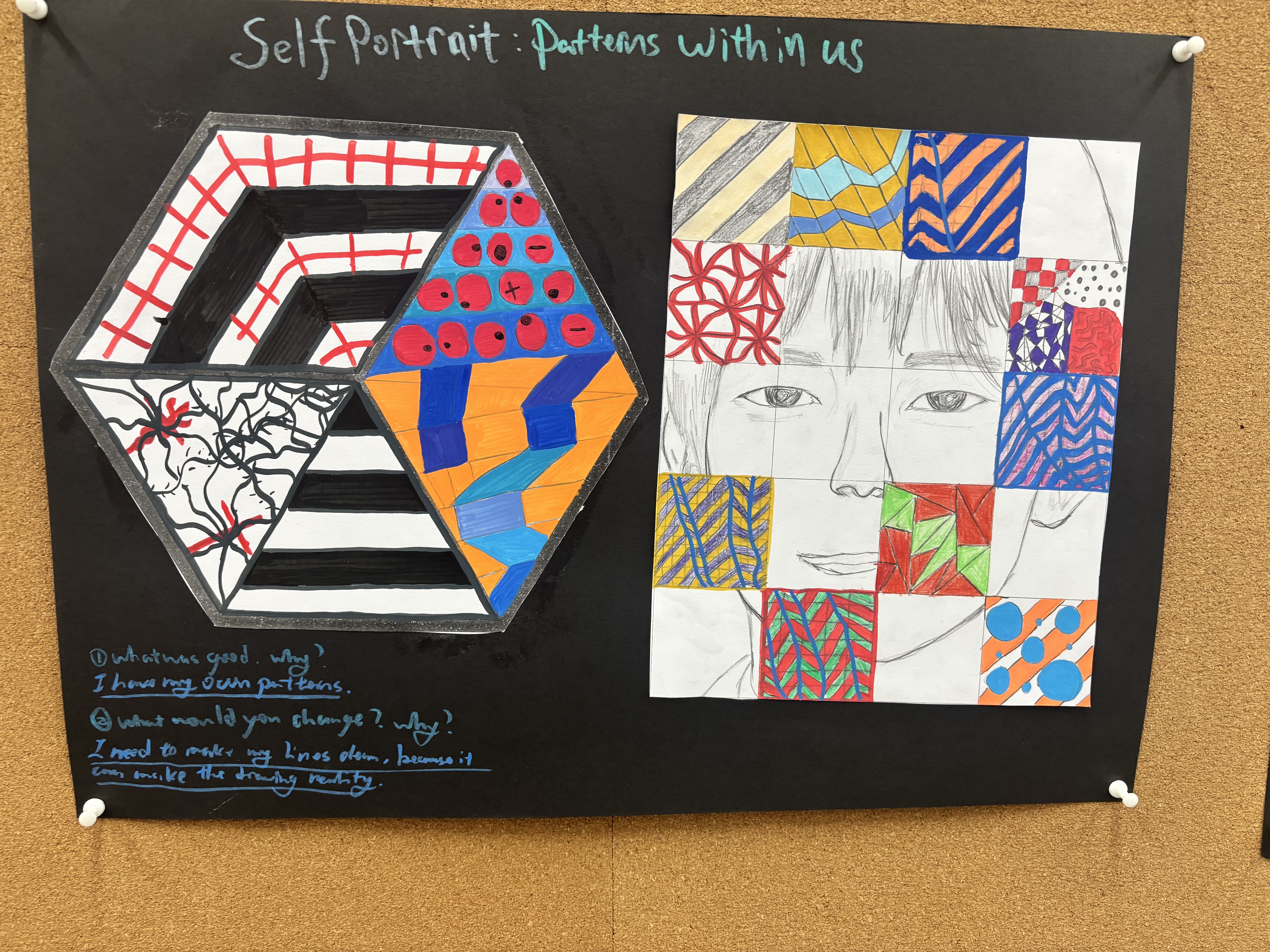
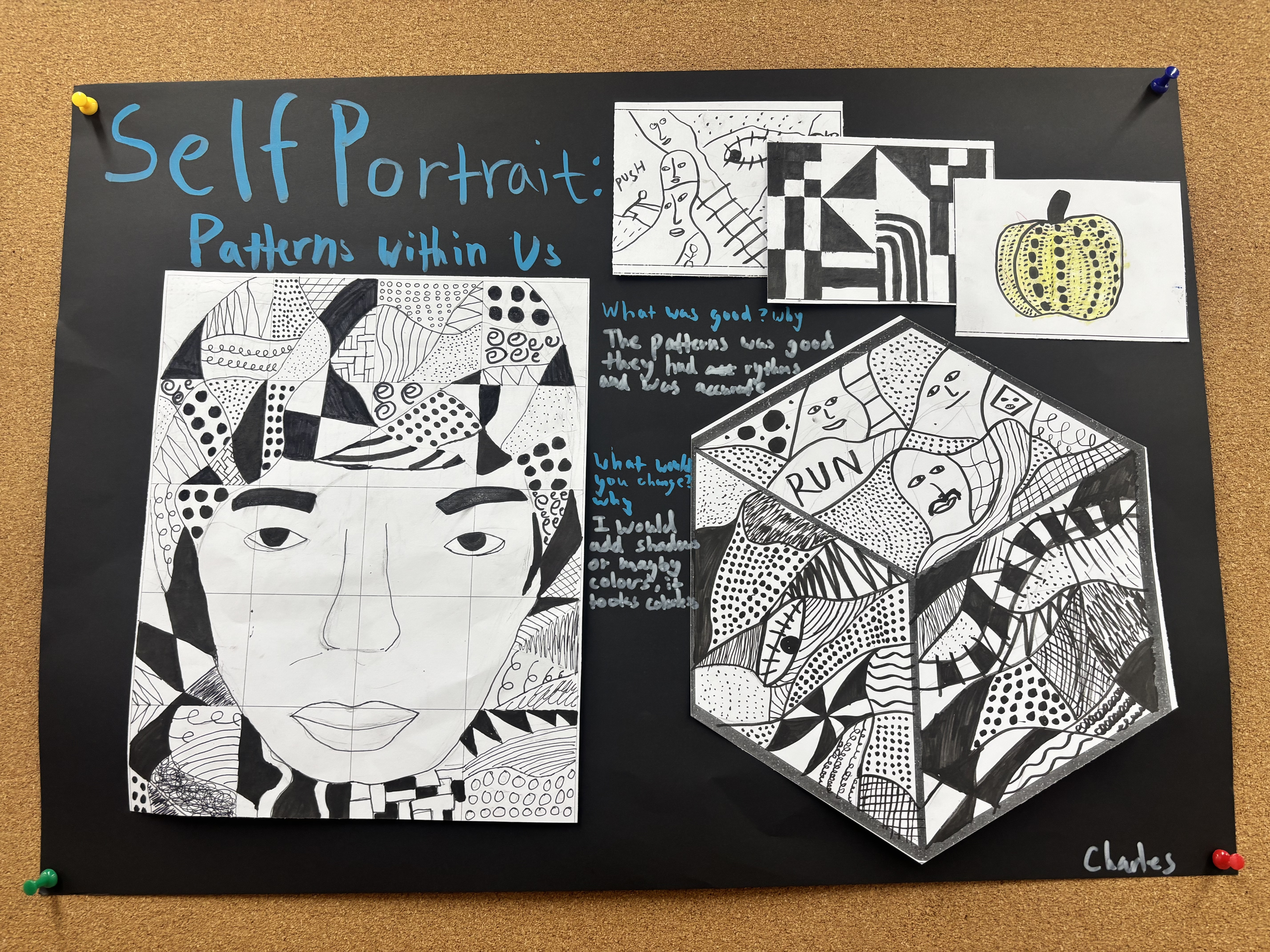
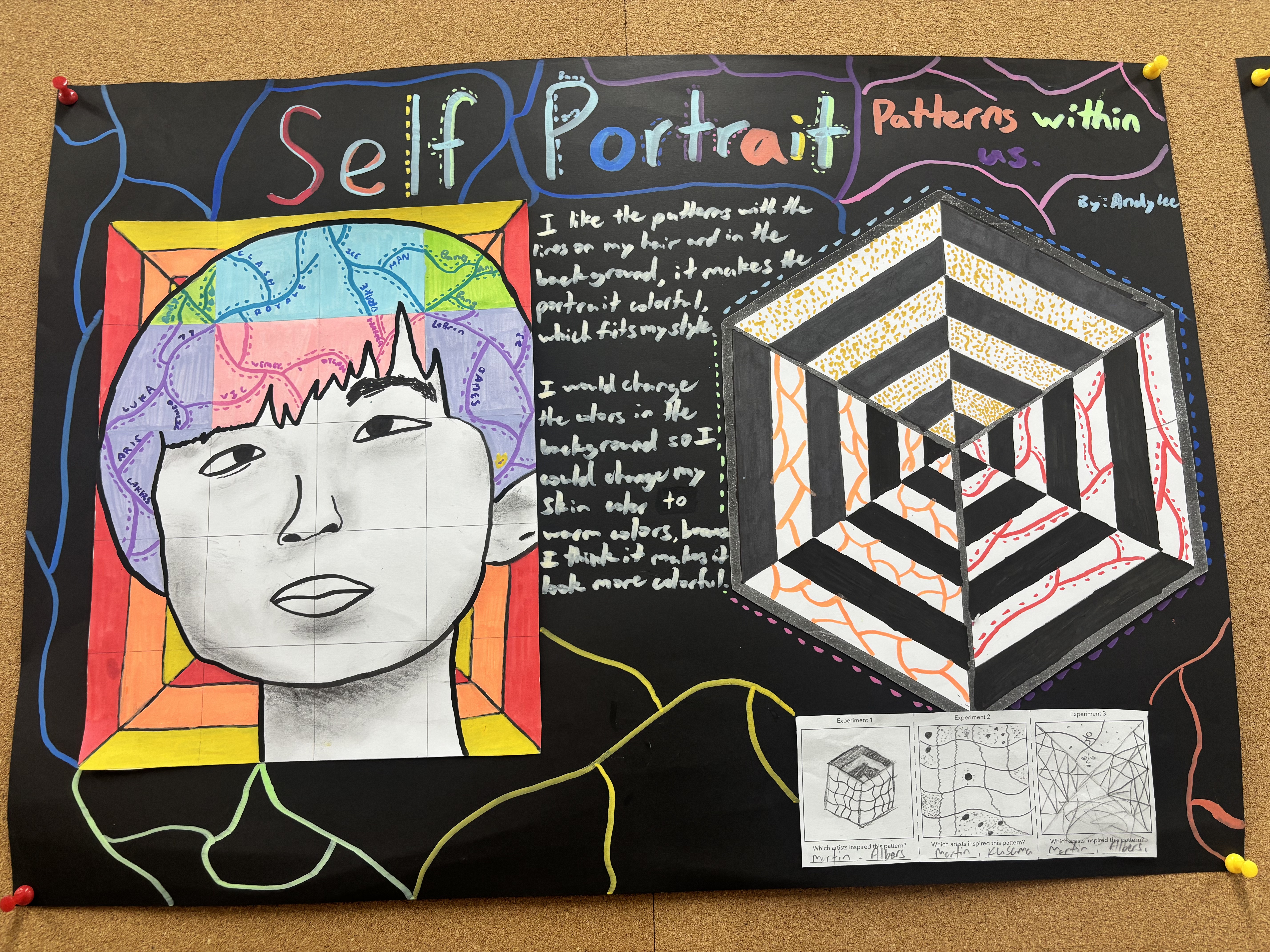
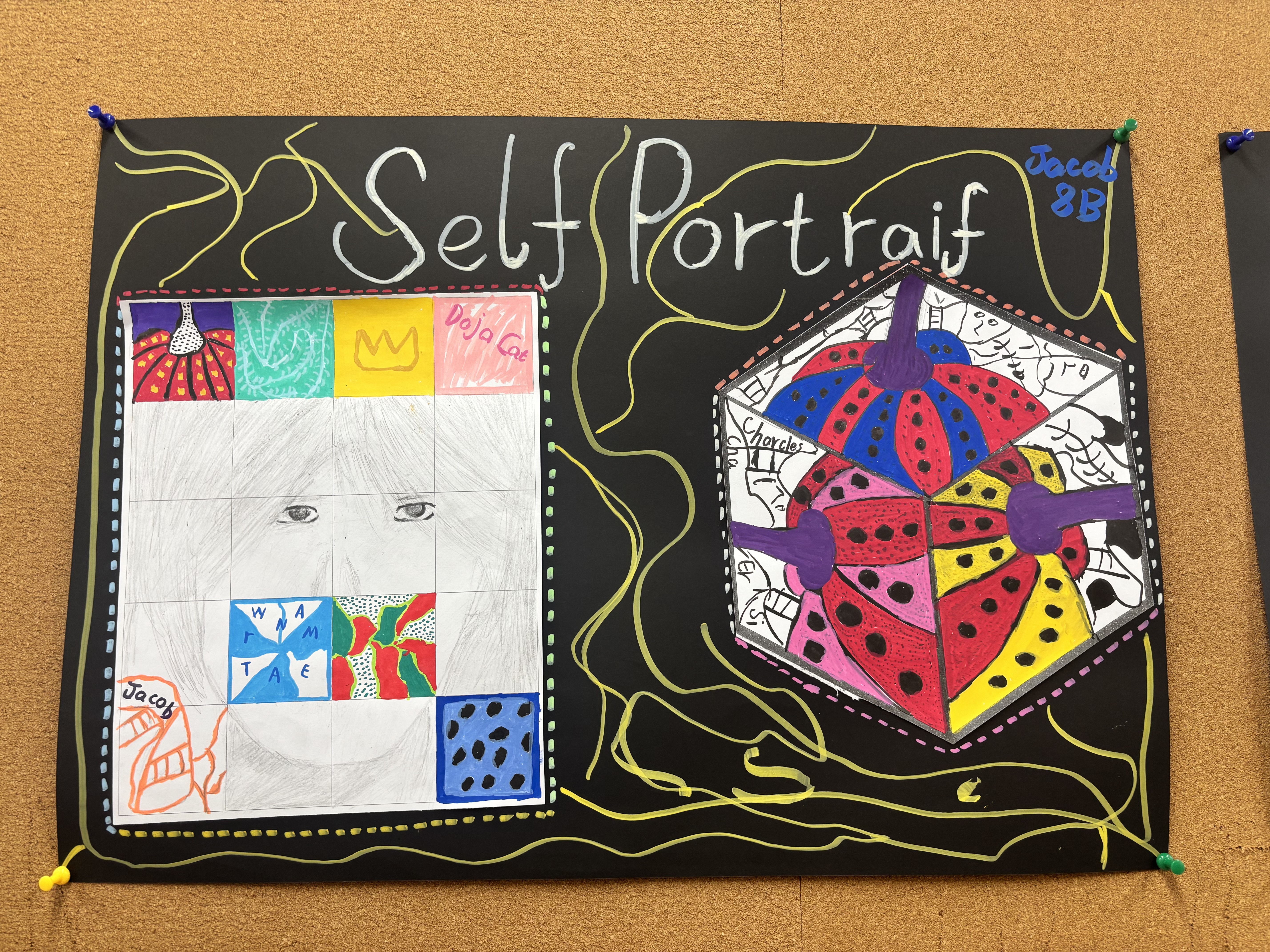
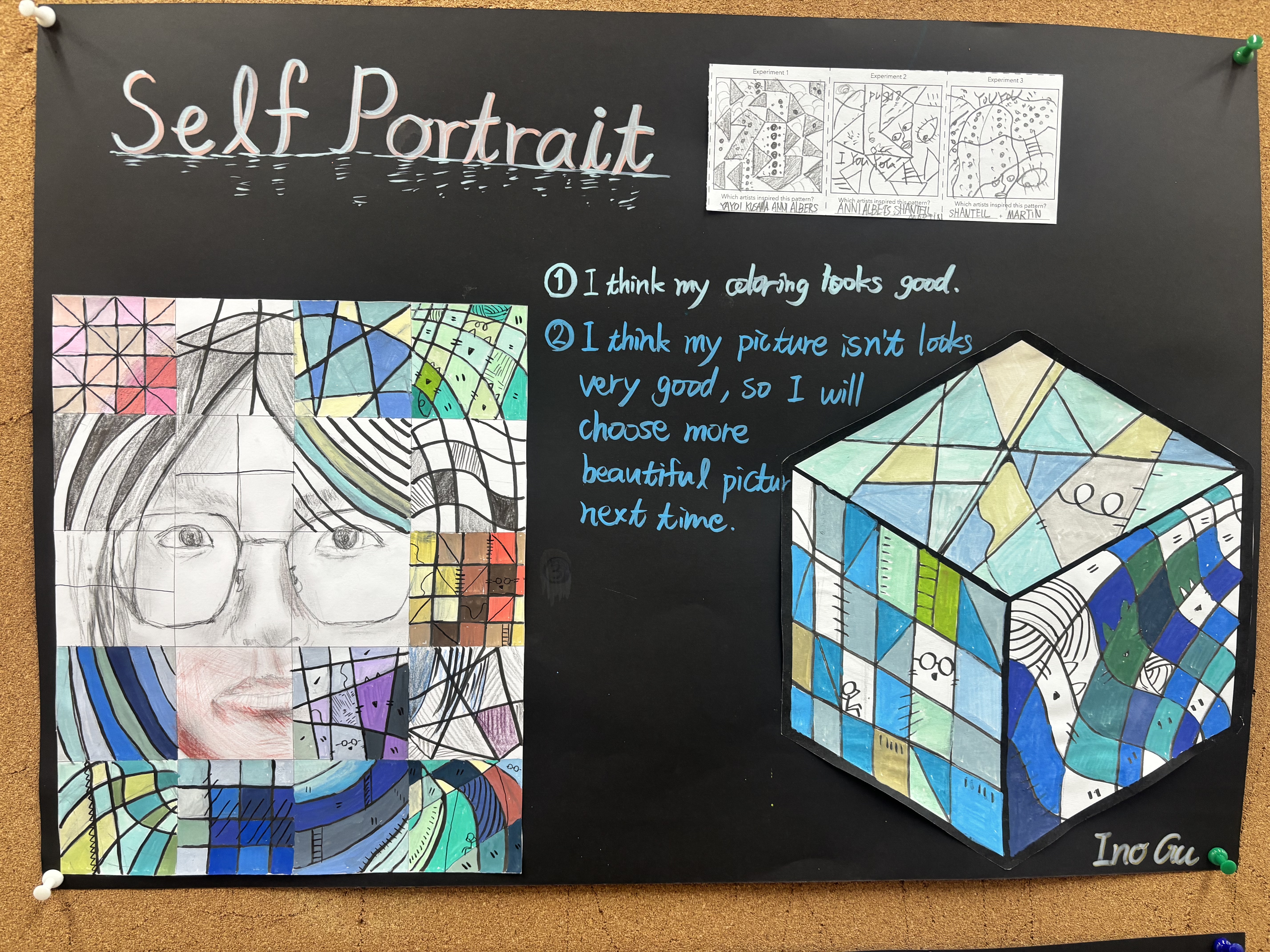
This project works especially well for developing both individual creativity and group collaboration, while keeping the structure clear and manageable.
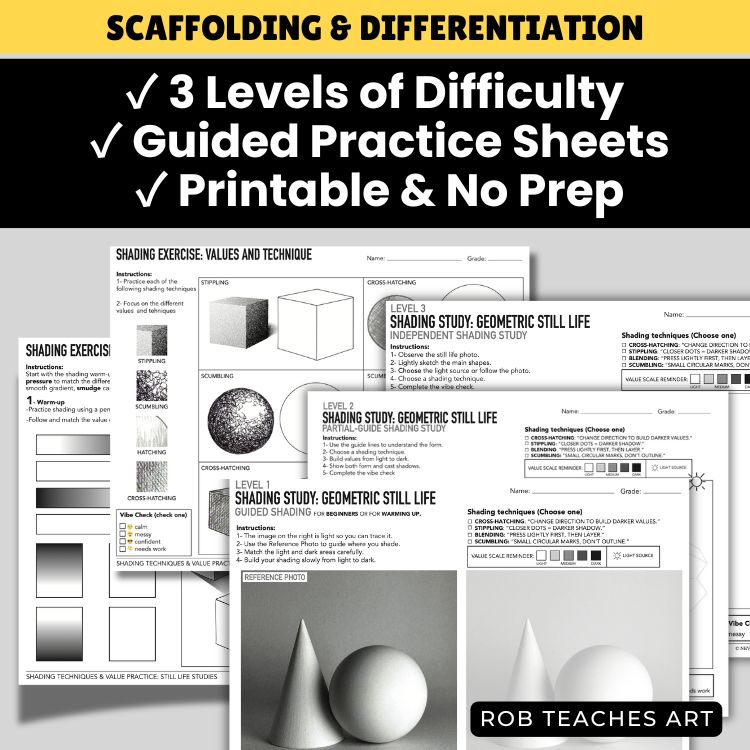
2. Value & Shading Art Project Pack | Shading & Creative Design
- Target Skill: Shading techniques, value control, form
- Topic: Elements of Art (Value, Form)
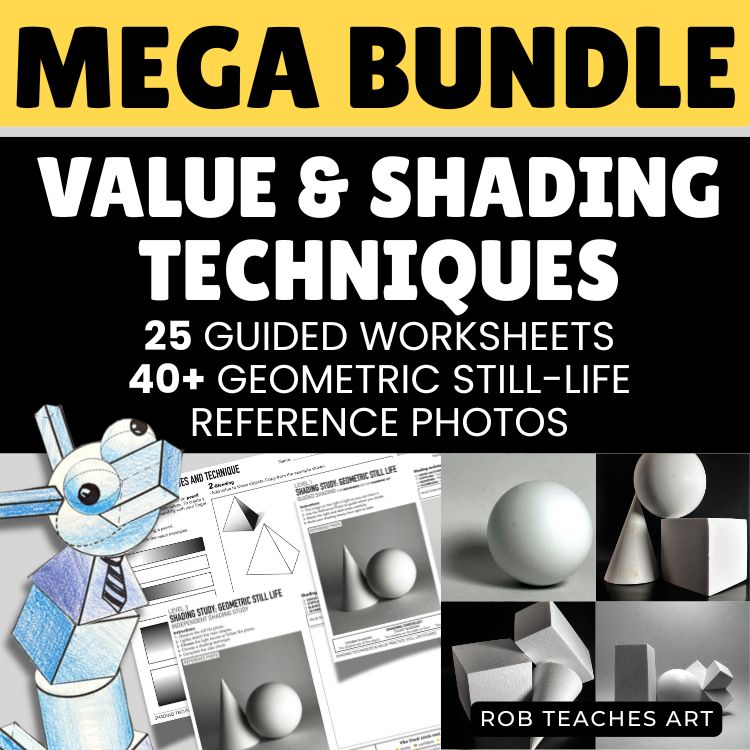
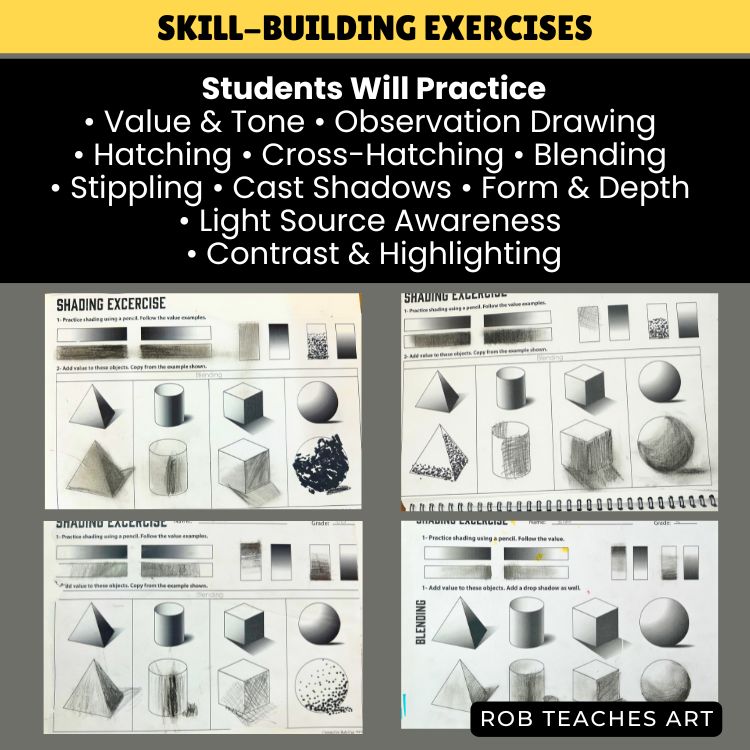
Sometimes, we have to really go back to basics. I created this bundle of worksheets to use as short exercises to teach shading techniques.
Students first practice blending, hatching, and value control before moving into structured creative activities that help them understand how light creates the illusion of form.
The scaffolded approach makes this an excellent project for mixed-ability classrooms because students build confidence before tackling more challenging drawings.
You can check out the complete set of all value and shading worksheets and projects (Mega Bundle) here: Value & Shading Techniques Bundle
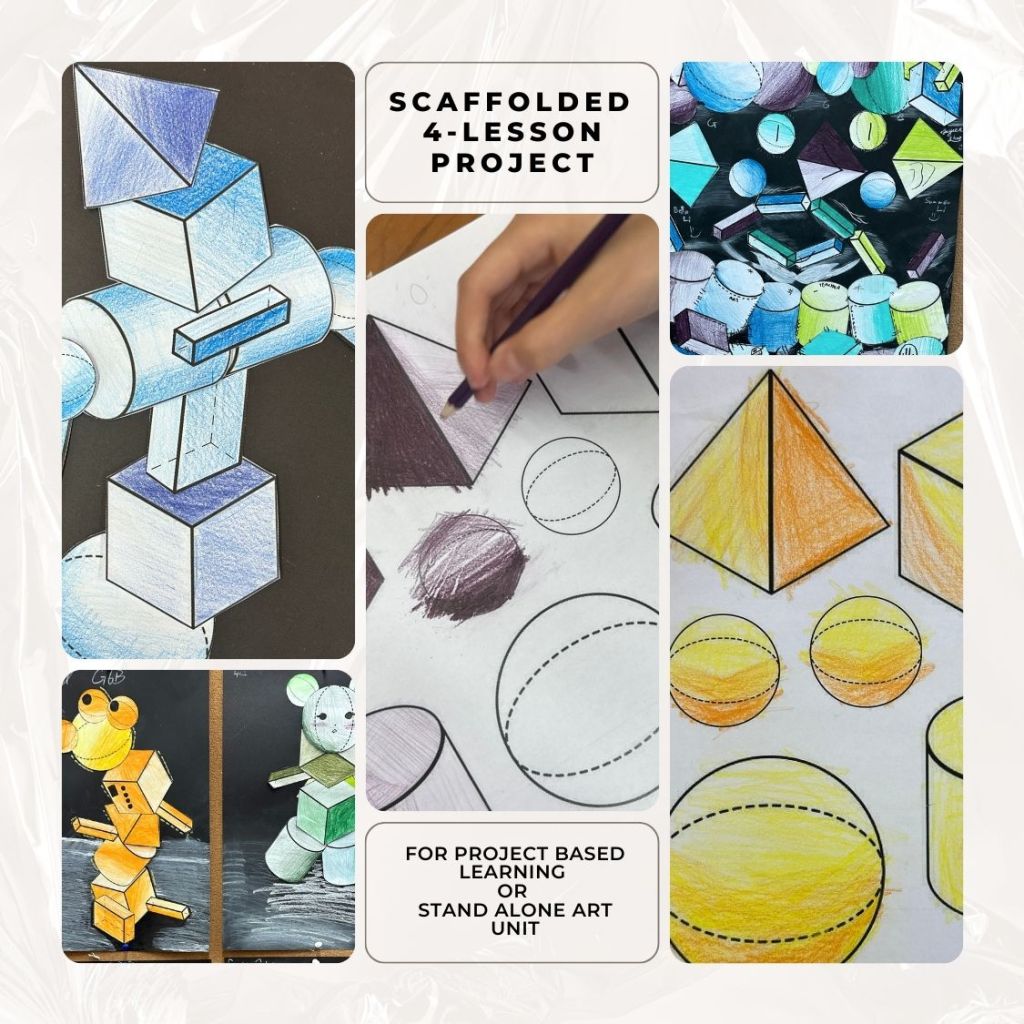
3. Surreal Geometric Creature Art Project | Value Shading & Shape Design
- Target Skill: Form drawing, creative composition, shading
- Topic: Elements of Art (Shape, Form, Value)
In this project, students transform simple geometric shapes into imaginative creatures while strengthening their understanding of form and shading. They start by practicing how to shade 3D shapes, then plan and construct a creature using cubes, cones, and cylinders.
Students can either use pre-made shapes or draw their own, depending on their level. The final artwork focuses on clean composition, strong contrast, and creative design. This project is consistently engaging because it feels playful, but still reinforces important technical skills.
You can check out the complete lesson here: Surreal Geometric Creature Art Project
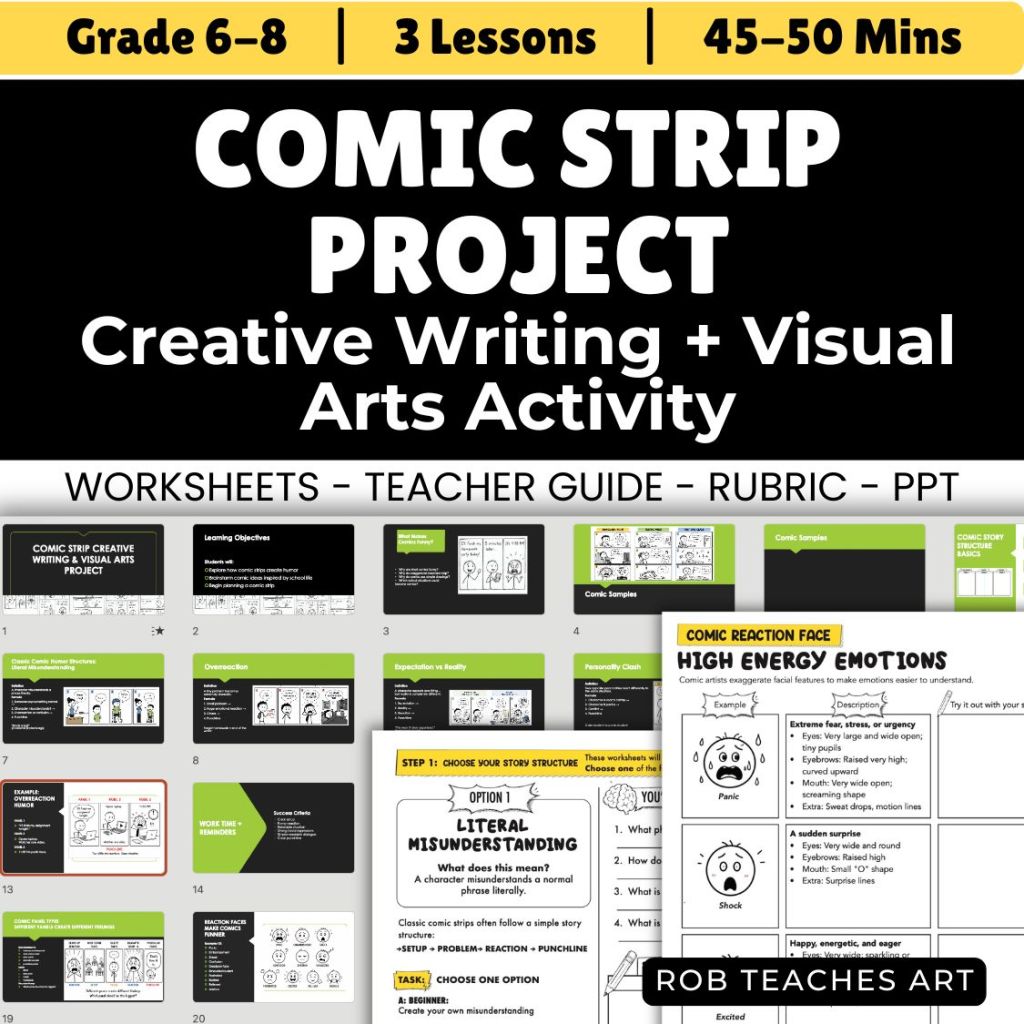
4. Comic Strip Creative Writing & Visual Arts Project
Target Skill: Visual storytelling, sequencing, character design, comic layout
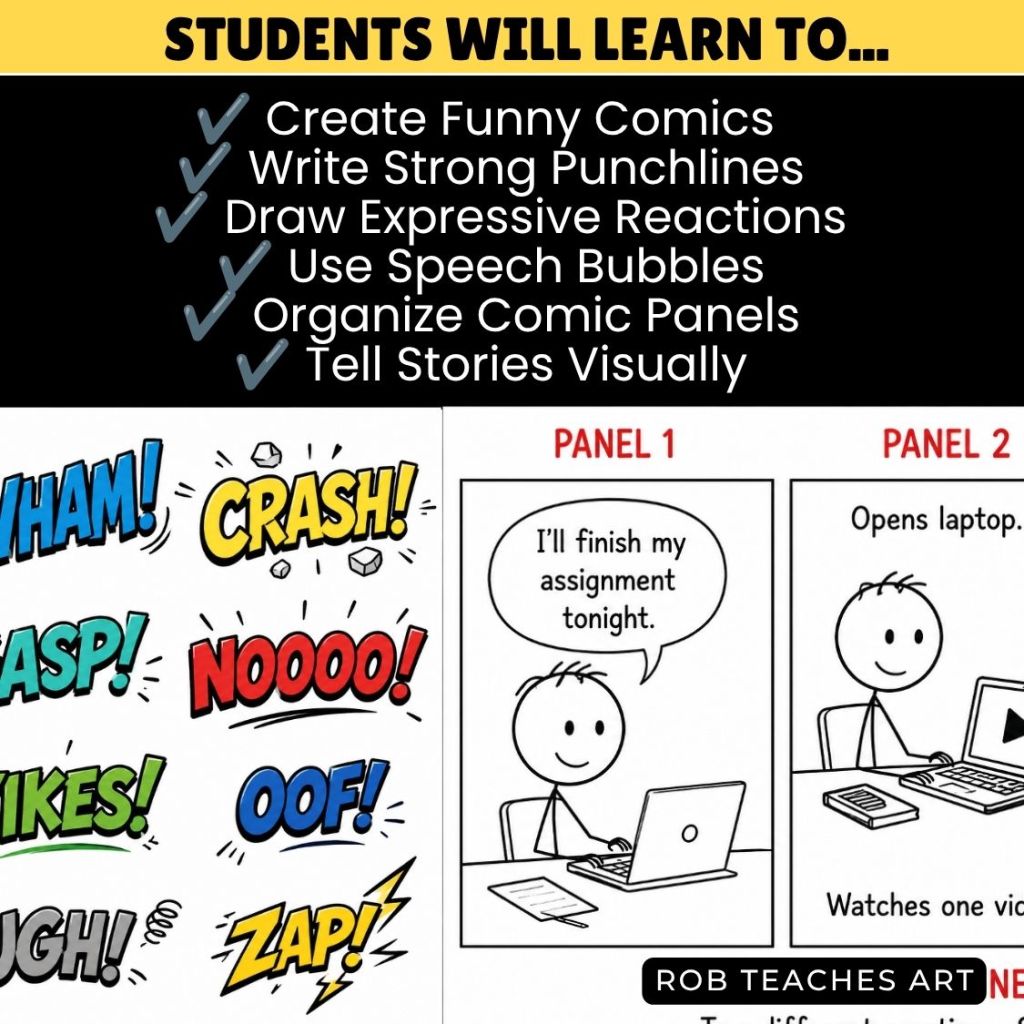
One of the biggest challenges in middle school art is getting students excited about storytelling while still teaching important design principles. This project combines creative writing and visual arts, allowing students to develop original comic strips using expressive characters, clear panel layouts, and engaging narratives.
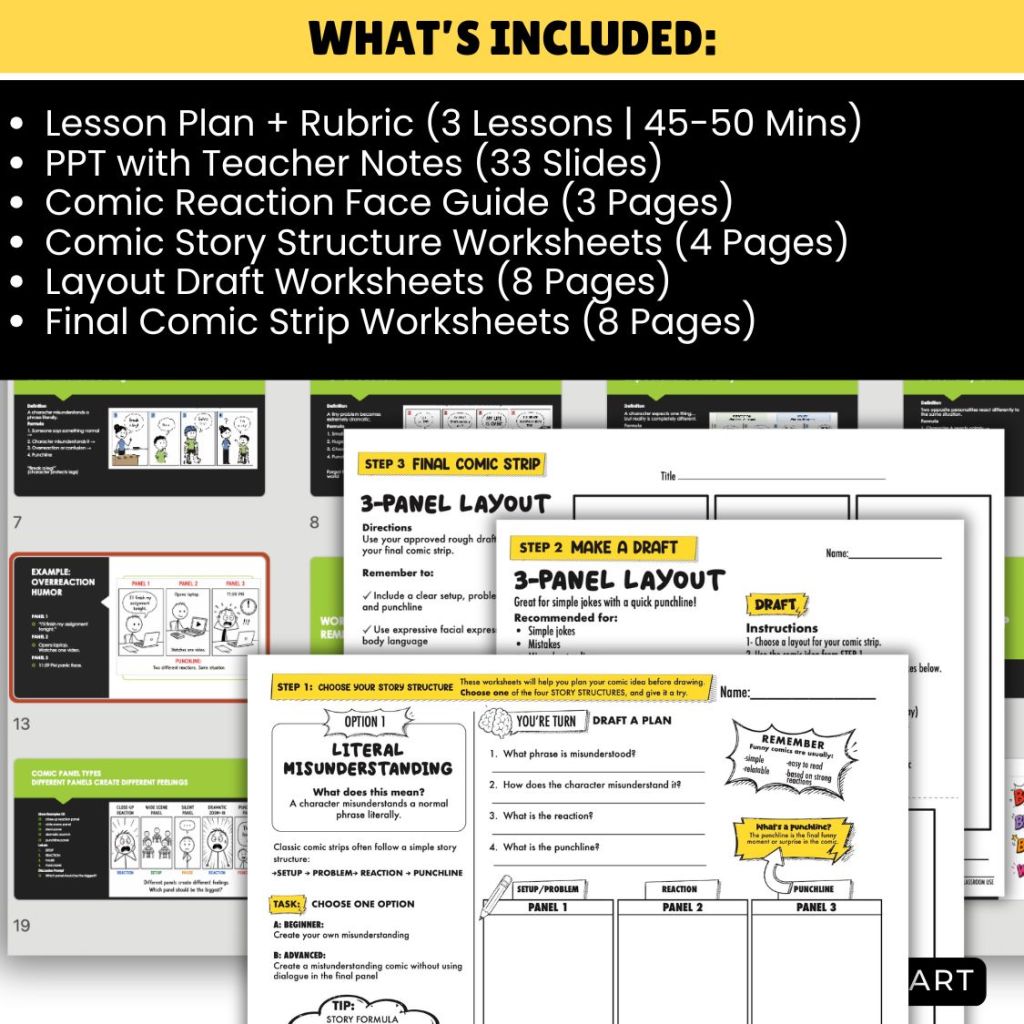
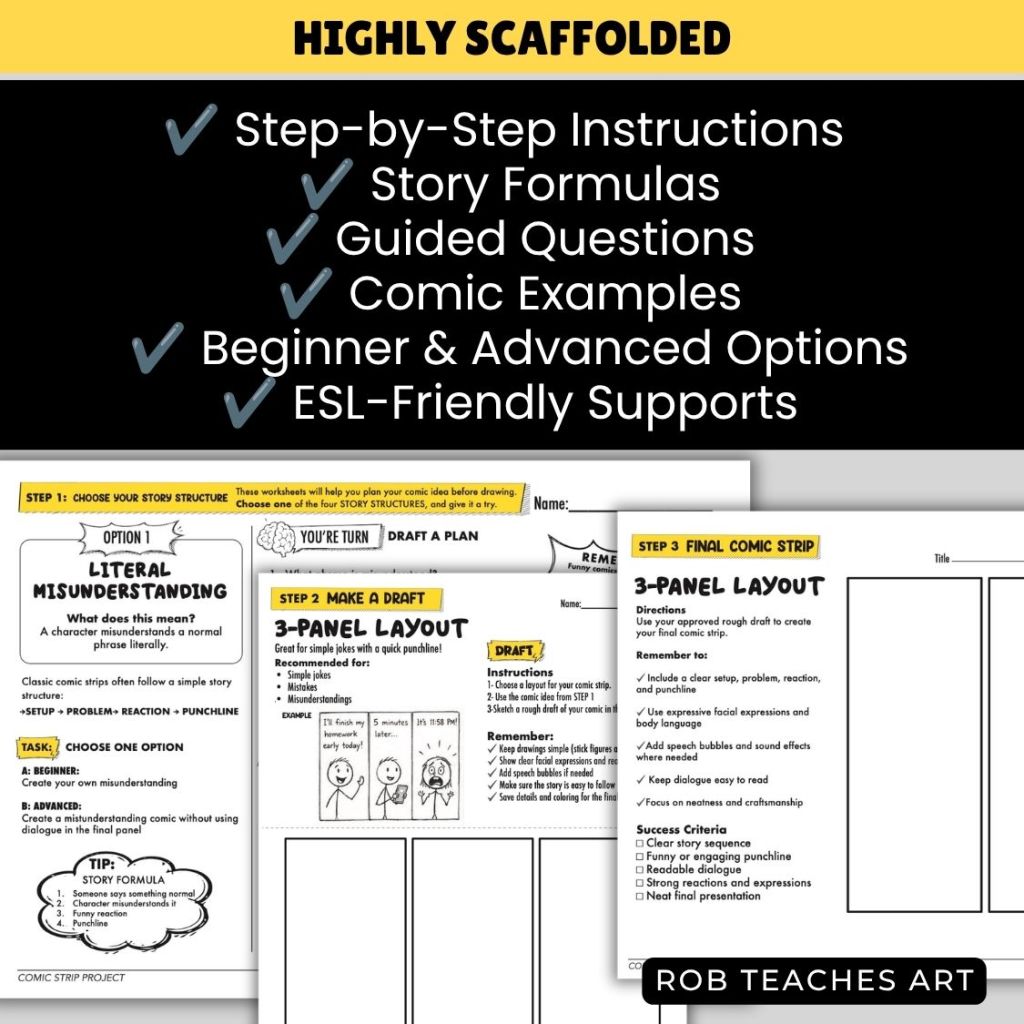
Students begin by exploring how professional comic artists communicate emotion through facial expressions, body language, and page composition. They then plan their own story, experiment with different comic layouts, and create a polished multi-panel comic strip. Along the way, they strengthen skills in drawing, writing, visual communication, and design.
The lesson naturally supports English Language Arts while reinforcing artistic concepts such as composition, balance, movement, and visual hierarchy.
I’ve created a complete lesson pack for this project. You can check it out here: Comic Strip Project
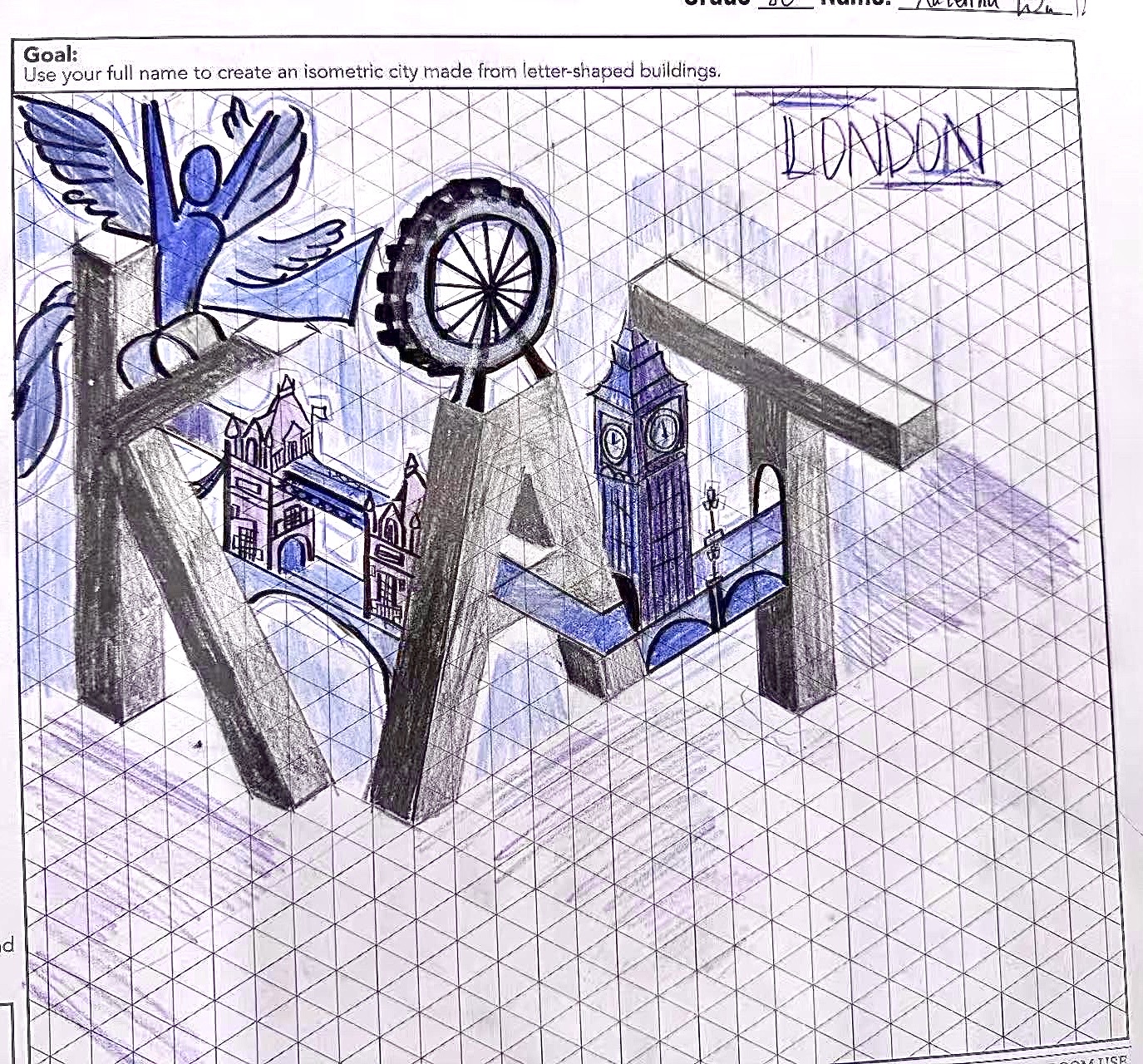
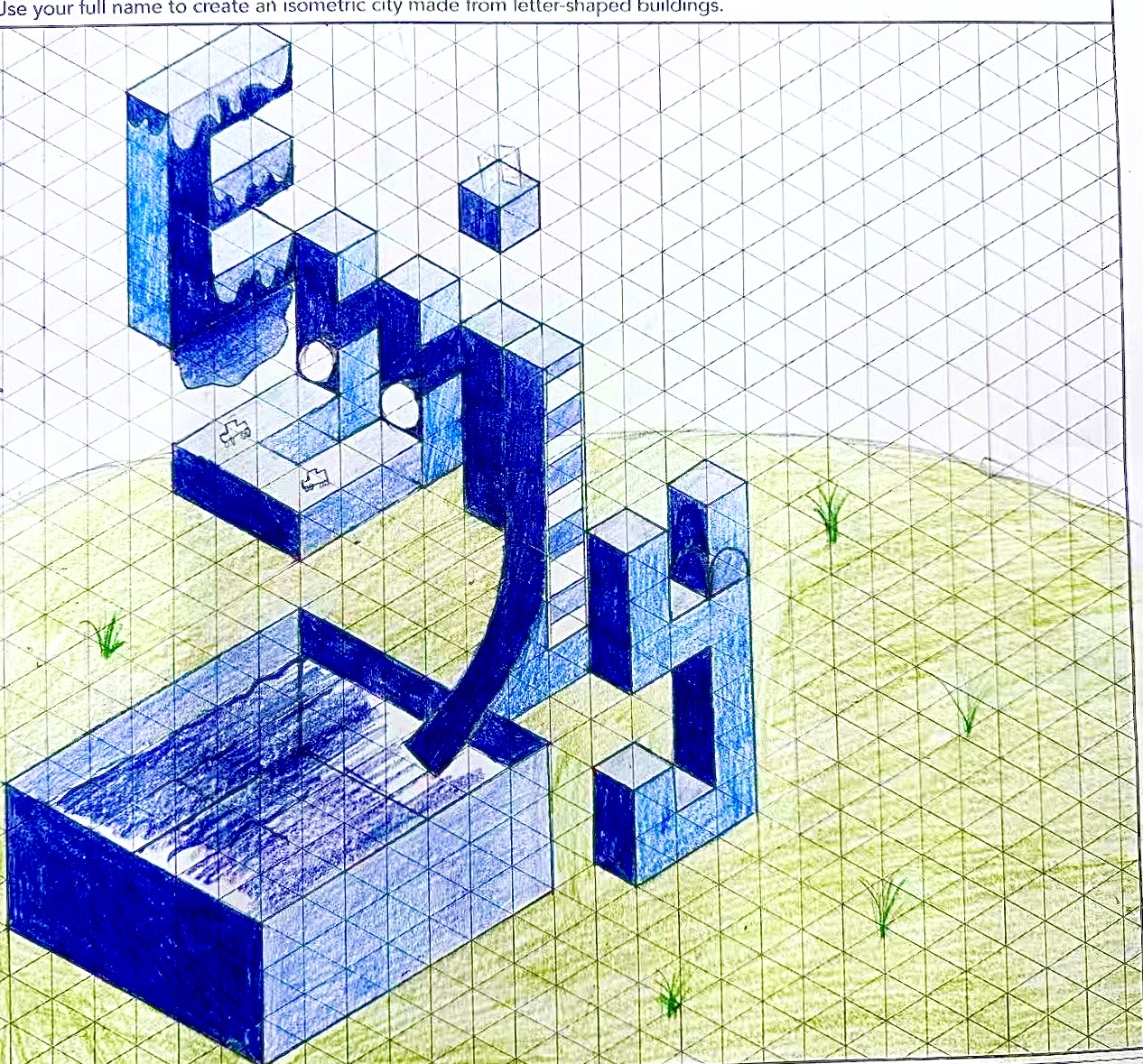
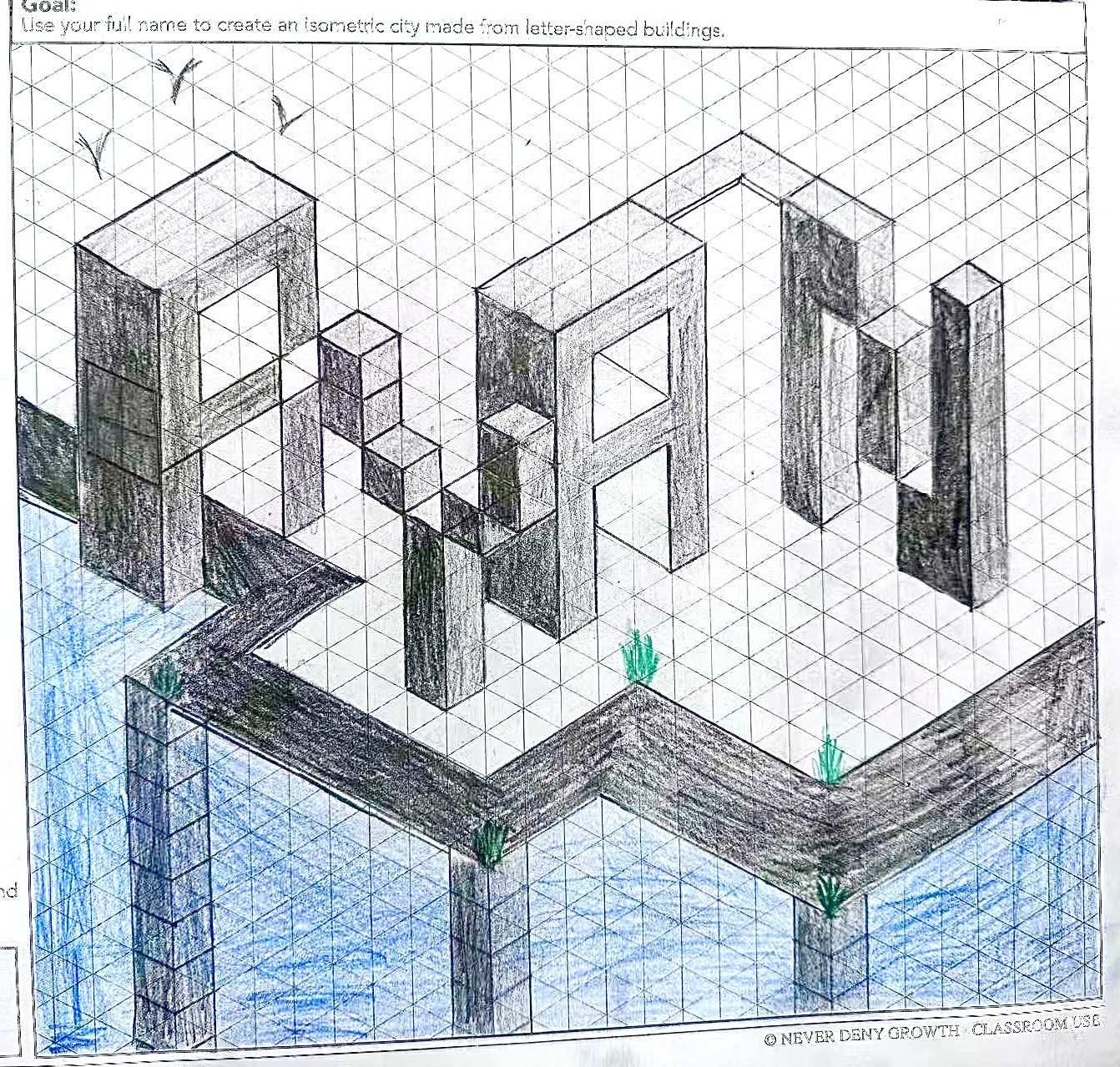
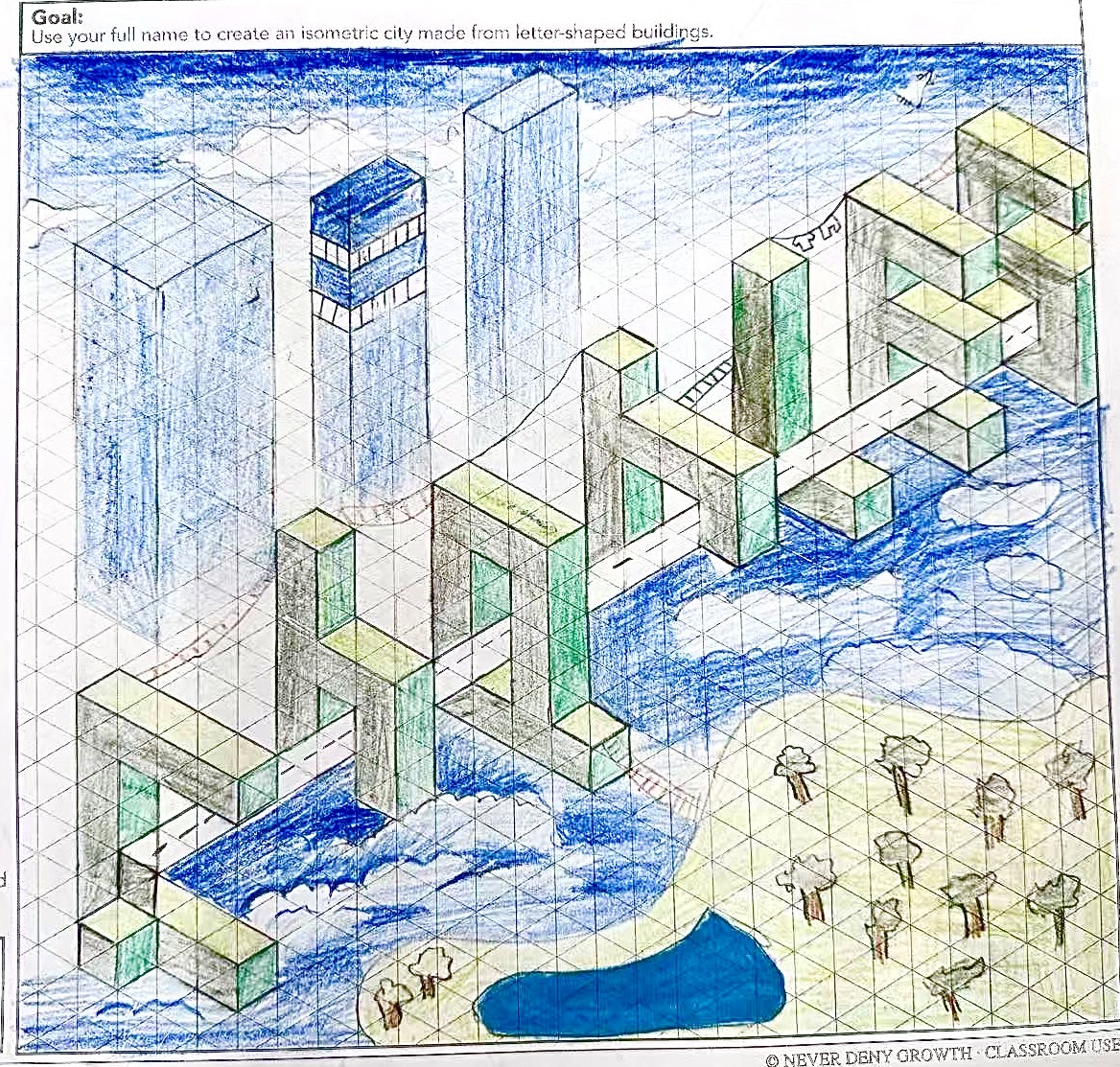
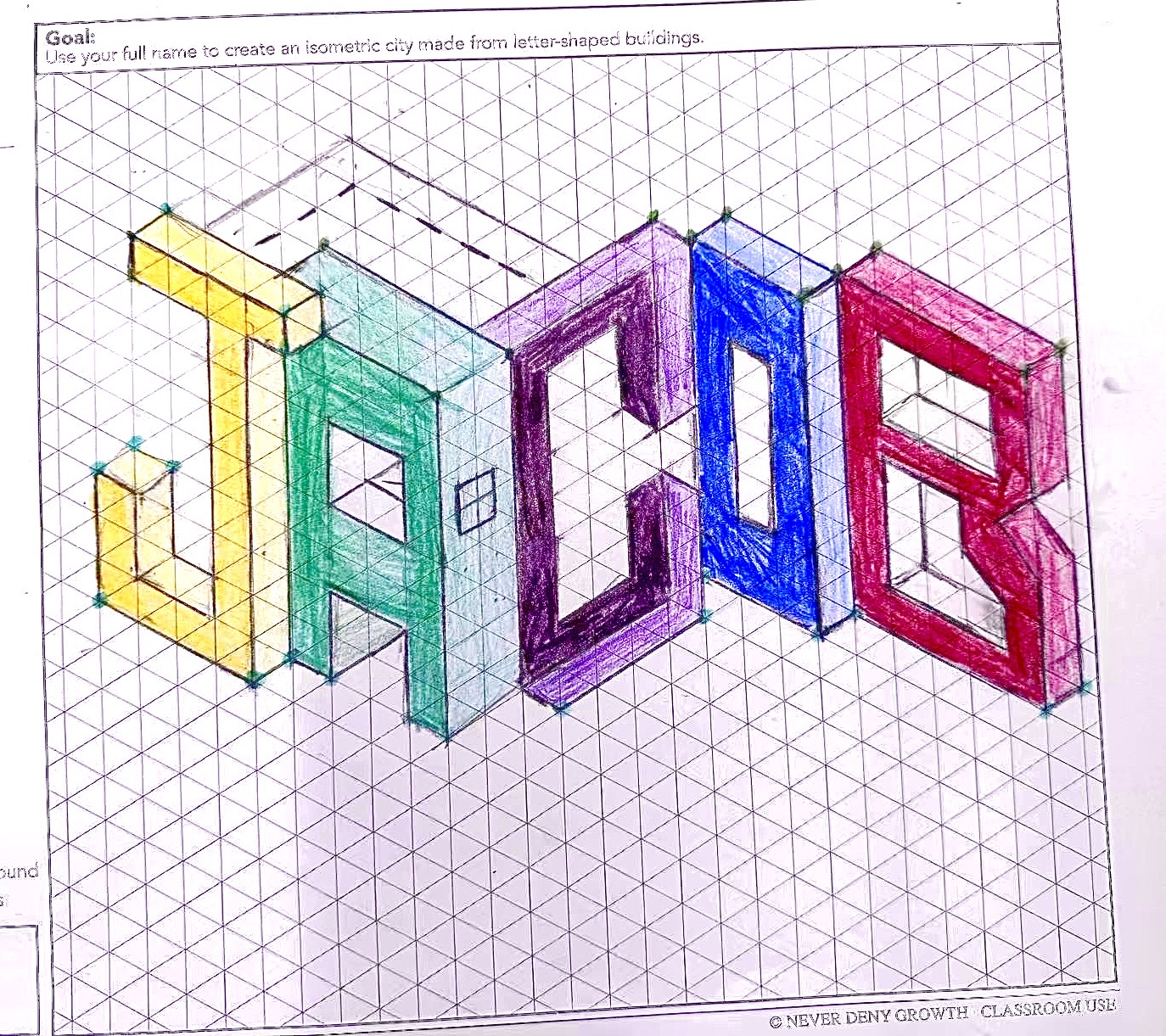
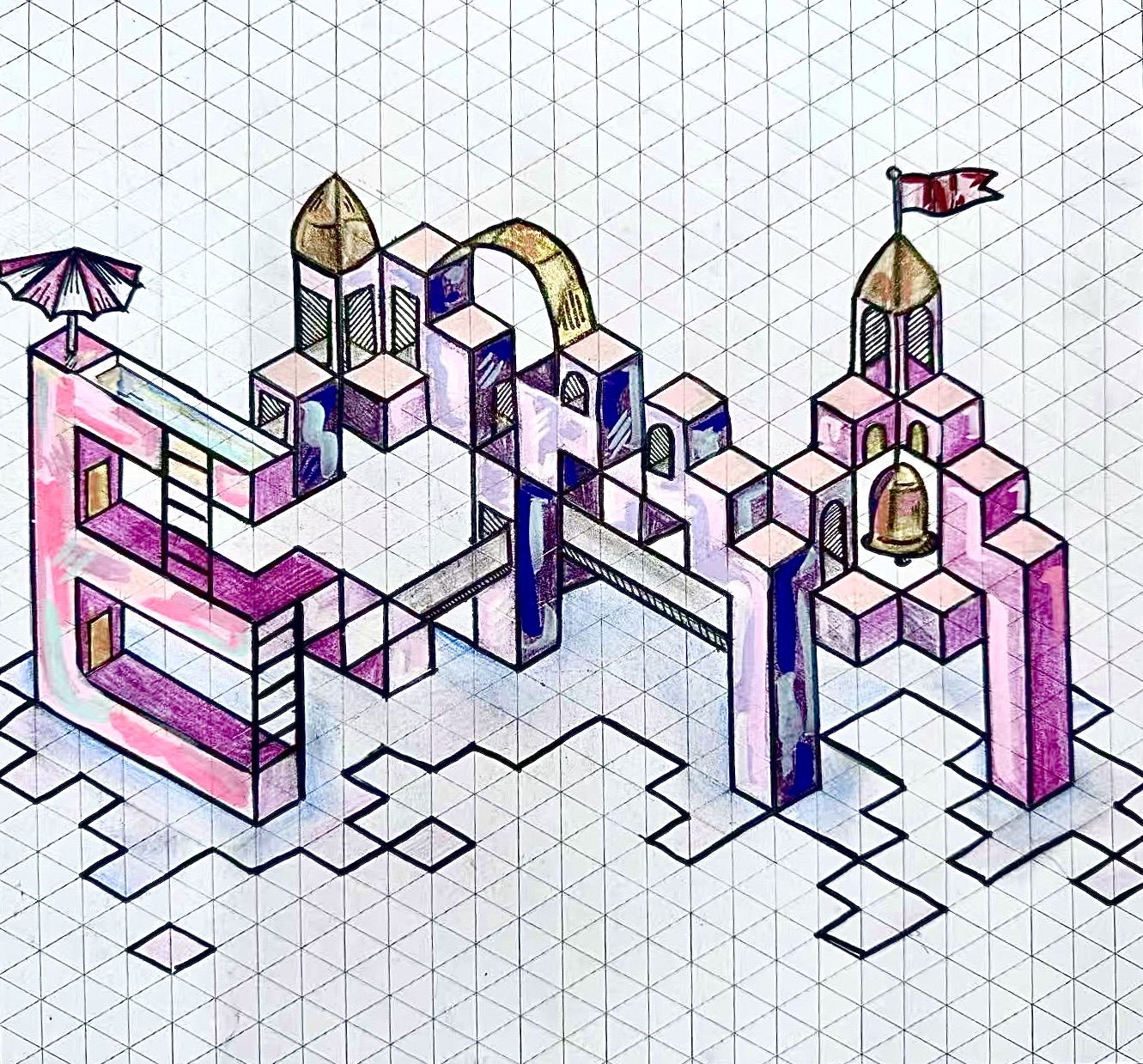
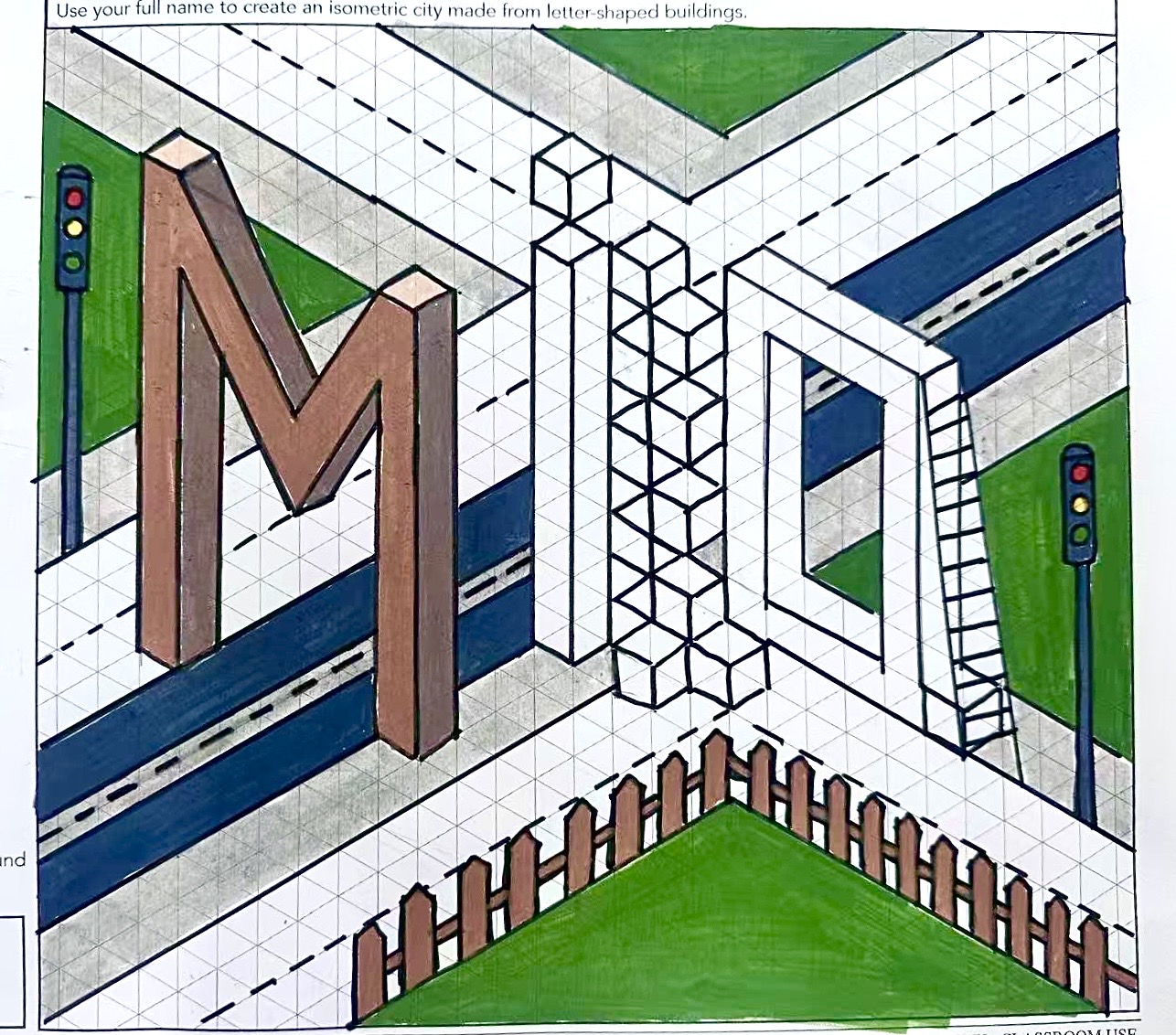
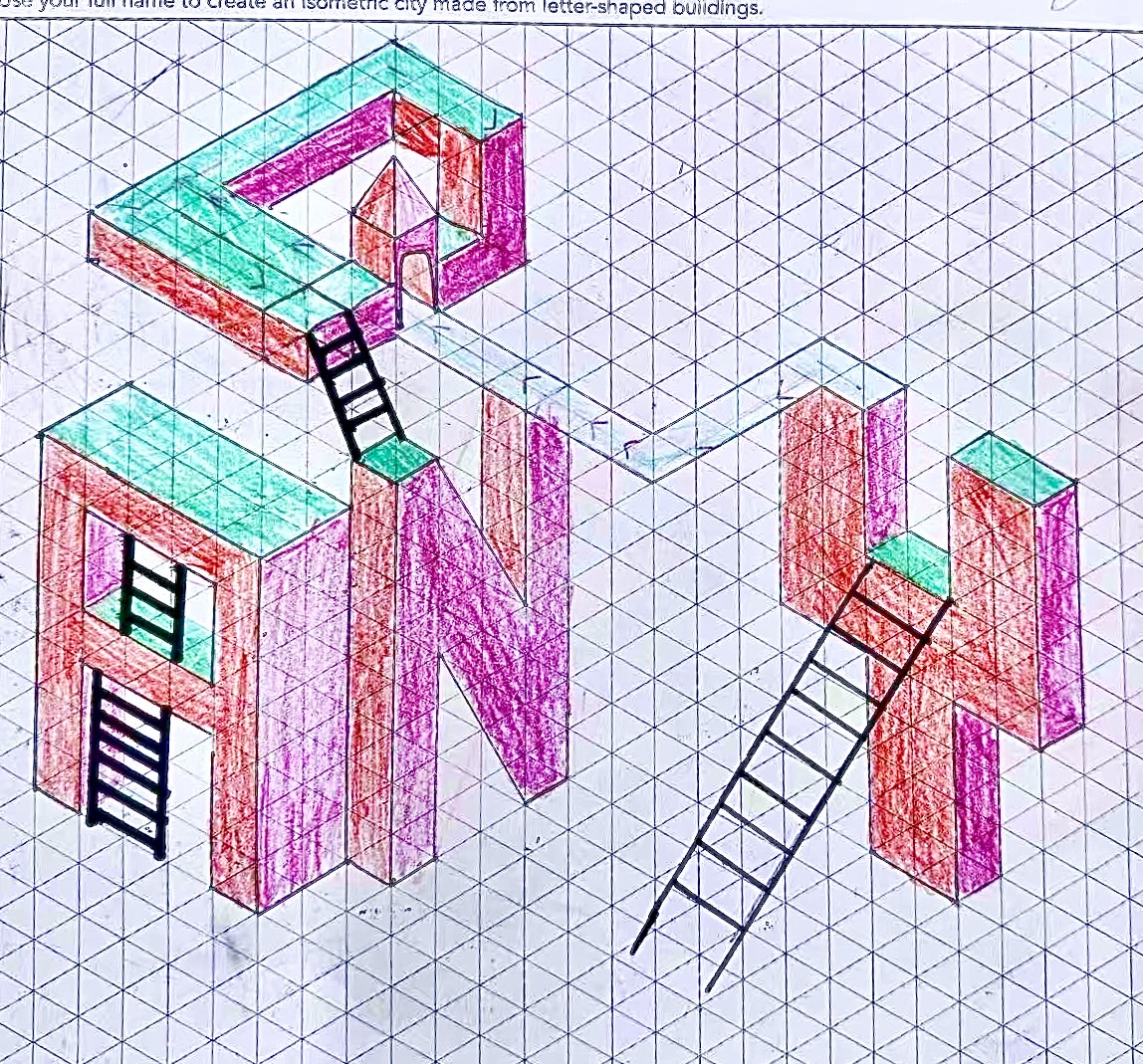
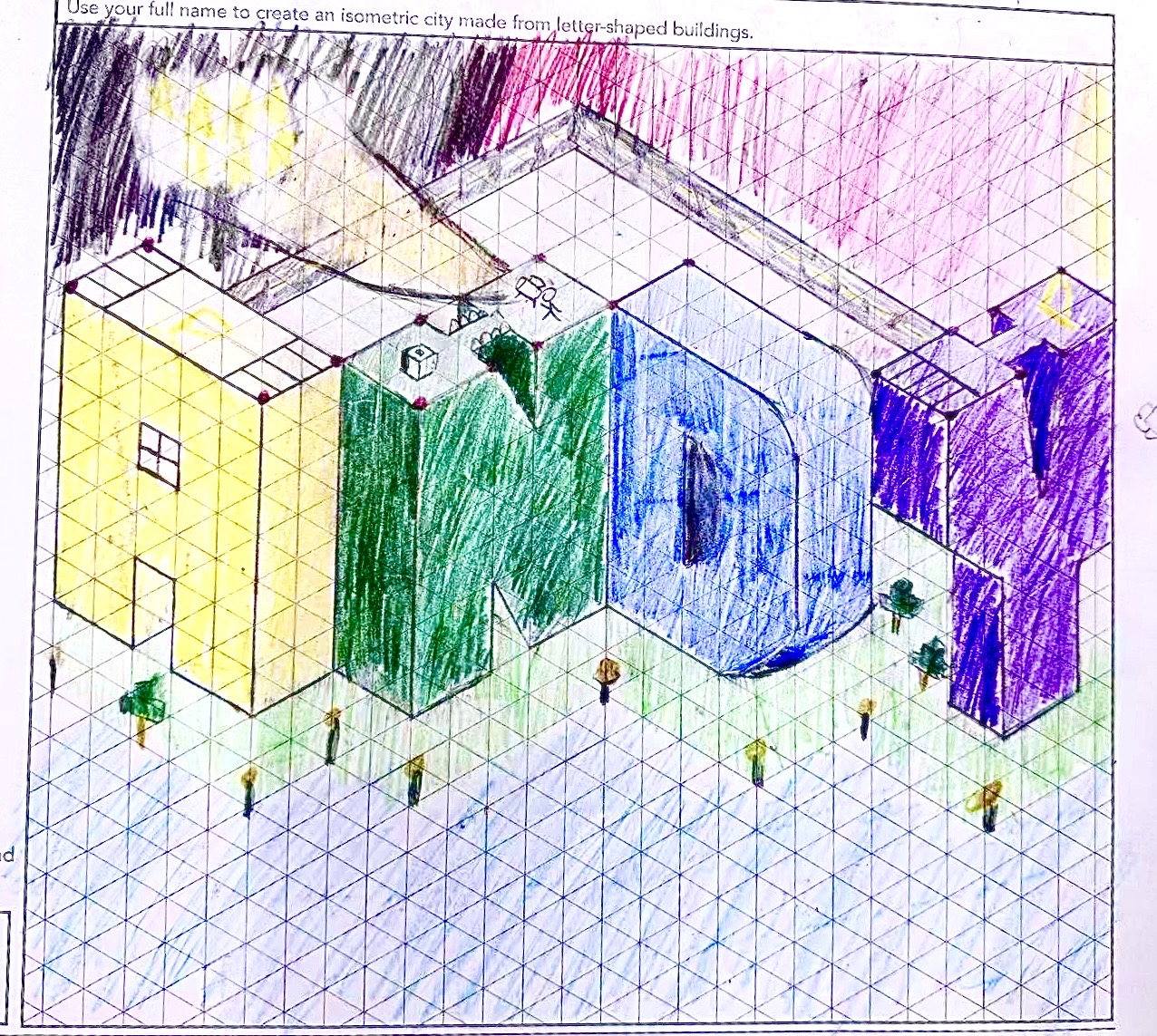
5. 3D Shapes Art Project: Isometric Drawing & World Building (Grades 6–8)
- Target Skill: Spatial awareness, structure drawing, precision
- Topic: 3D Drawing + Design
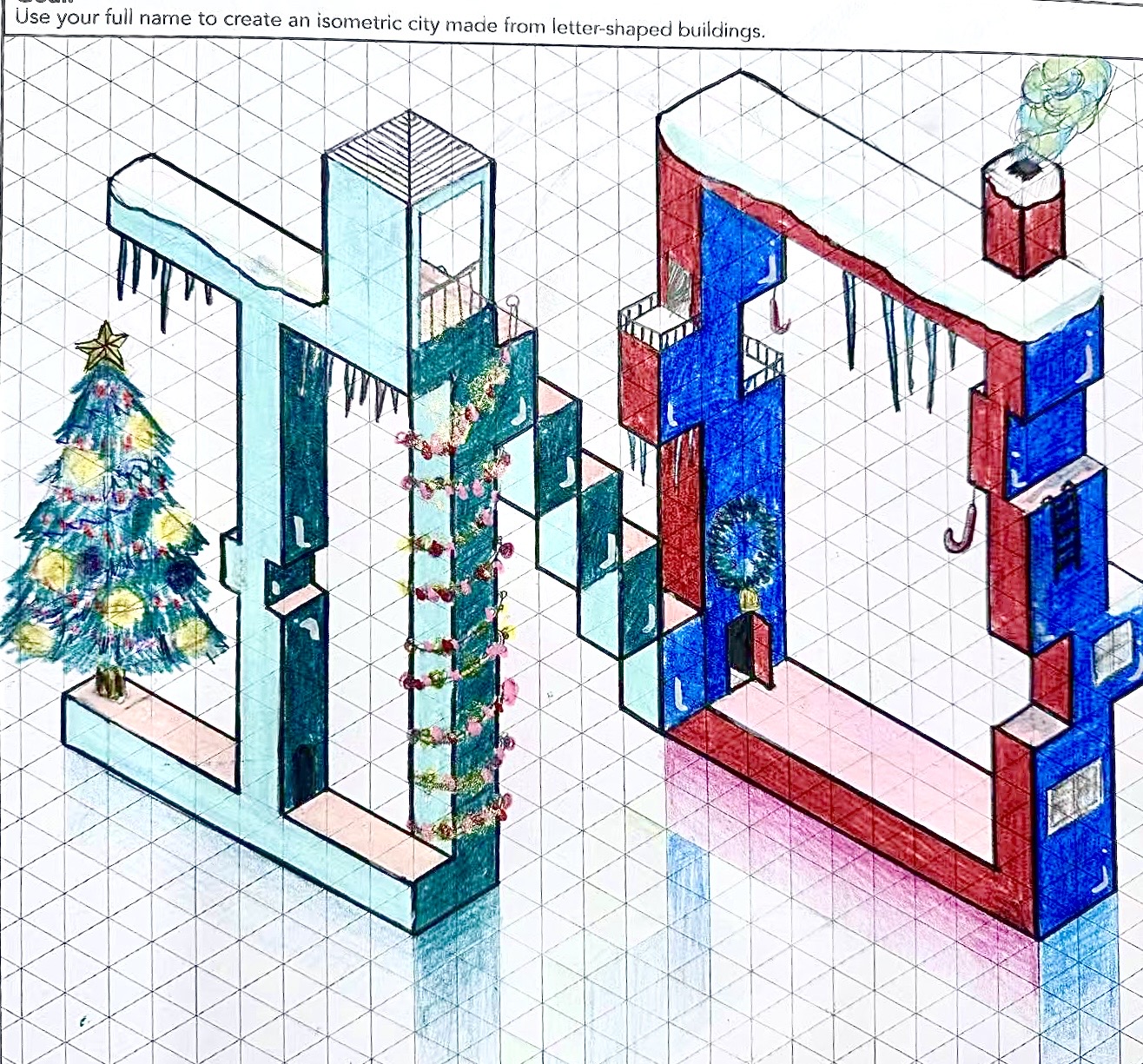
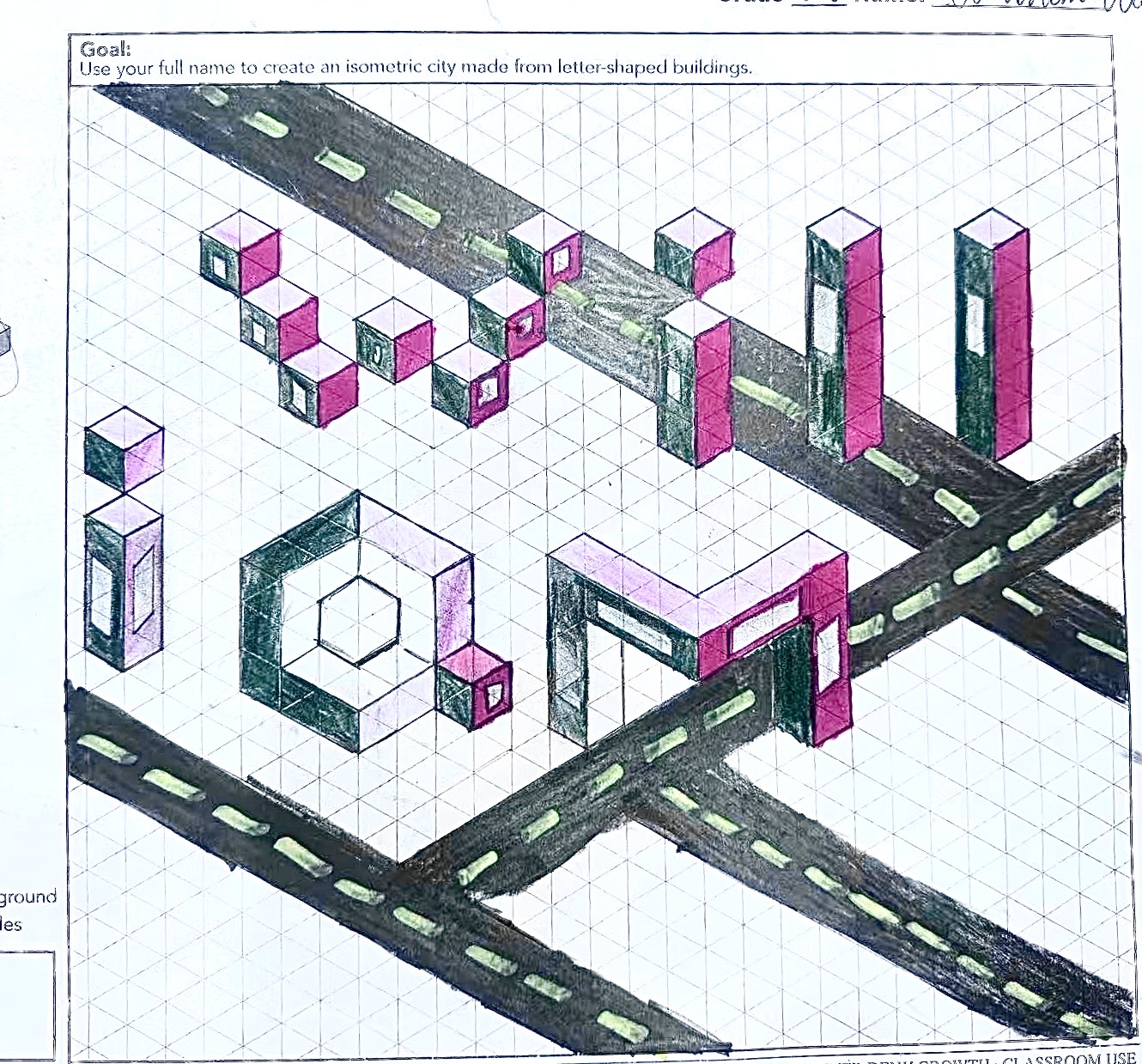
This project introduces students to isometric drawing and helps them develop spatial awareness through structured practice. Students begin by learning how to construct 3D forms using isometric grids, then gradually build more complex designs such as rooms, objects, or entire environments. The project can be extended into a full unit where students create their own isometric world, making it both flexible and scalable. It is particularly effective for students who enjoy structured drawing and design-based tasks
Each lesson has a worksheet with instructions to help students along.
You can check out the project here: 3D Shapes Art Project: Isometric Drawing & World Building
And here are examples of my students’ work:
Want Even More Ready-to-Teach Art Lessons?
If you’re looking for classroom-ready resources that save prep time, explore the complete lessons linked above. Each resource includes the materials I use in my own classroom, including lesson plans, teacher PowerPoints (in some projects), worksheets, planning pages, rubrics, and assessment tools, so you can spend less time preparing and more time teaching.
And if you’re looking for a few free resources to get started, be sure to check them out here.


Leave a comment