If you’ve ever had students freeze when asked to write a story, comic strips can be a great solution.
I use this lesson with middle school students (can be adapted for upper elementary and high school students) as a creative writing and visual arts activity. Because students only need to write a few lines of dialogue, it works especially well with ESL learners who may struggle with longer writing assignments.
Instead of focusing on long paragraphs, students focus on one simple goal:
Make someone laugh.
There are 3 lessons, 45-50 minutes each in this project.
Affiliate Disclosure: As an Amazon Associate I earn from qualifying purchases. Some links on this site are affiliate links, which means I may earn a small commission if you make a purchase, at no additional cost to you.
What’s Great About Comic Strips?
Comic strips combine art, storytelling, and humor in a format that is beginner-friendly.
Students learn how to:
- Develop a simple story structure
- Create characters
- Write dialogue
- Use visual storytelling
- Communicate ideas through humor
Because the writing is short, students can spend more time developing ideas and experimenting with drawings.
Recommended Supplies
Fine Line Pens
Great for outlining comic artwork.
Markers
Perfect for adding simple color.
Comic Templates
Printable comic strip pages with multiple panel layouts.
Lesson Breakdown
Lesson 1: Humor & Idea Generation
Students explore common comic humor structures, including:
- Literal Misunderstanding
- Overreaction
- Expectation vs Reality
- Personality Clash
They then brainstorm their own comic ideas and complete a story planner.
Lesson 2: Comic Planning & Rough Draft
Students learn how comic artists organize information using:
- Panels
- Speech bubbles
- Sound effects
- Facial expressions
- Comic layouts
Students then create a rough draft of their comic.
Lesson 3: Final Comic Strip Design
Students transfer their draft onto a final comic page and focus on:
- Neat line work
- Clear dialogue
- Strong reactions
- Organized storytelling
The project concludes with self-reflection and peer feedback.
This Project Works for Mixed Ability Classes
One challenge many teachers face is accommodating students with different artistic abilities.
This project naturally differentiates itself.
Students who are confident artists can create detailed characters and backgrounds.
Students who are less confident can successfully complete the project using simple stick figures and expressive faces.
The focus remains on communication and storytelling rather than artistic realism.
This resource works well with the following topics:
- Summer/Winter Holiday
- Back-to-School project
- End-of-year activity
- After-testing activity
- Creative writing extension
- Art and ELA collaboration
- Fast finisher project
- Sub plans
Real Comic Strip Examples To Add To Your Presentation
If you’d like to show students professional examples of comic storytelling, these are excellent classroom-friendly options:
Calvin and Hobbes
A masterclass in visual storytelling and character reactions.
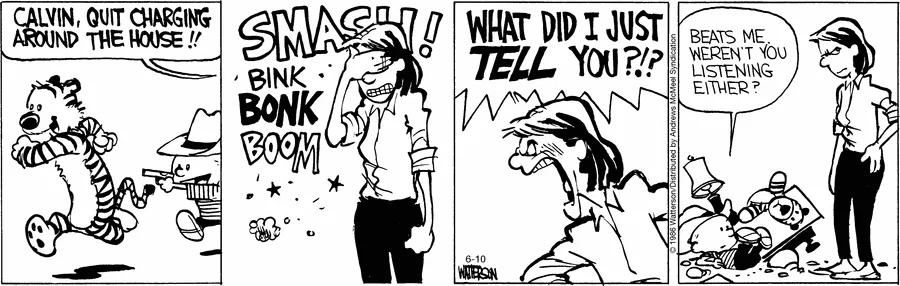
Photo link: https://www.gocomics.com/calvinandhobbes/2026/06/10
Garfield
Simple humor structures that students can easily analyze.
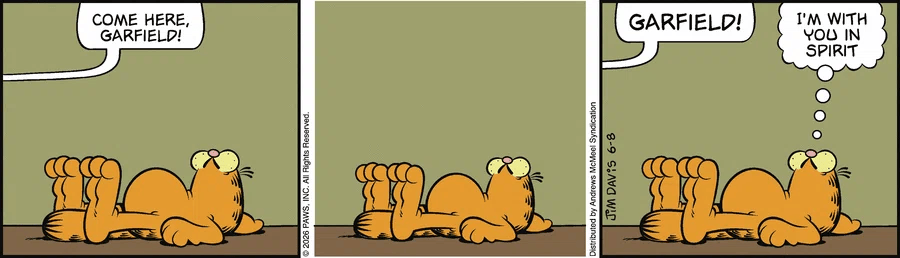
Photo Link: https://www.gocomics.com/garfield/2026/06/08
Peanuts
Great examples of dialogue-driven humor.
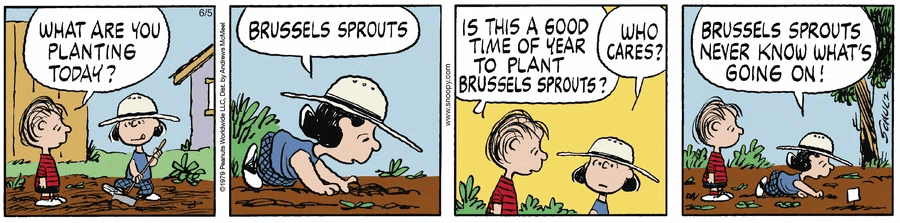
Photo Link: https://www.gocomics.com/peanuts/2026/06/05
Phoebe and Her Unicorn
Modern comic strip humor that many students enjoy.
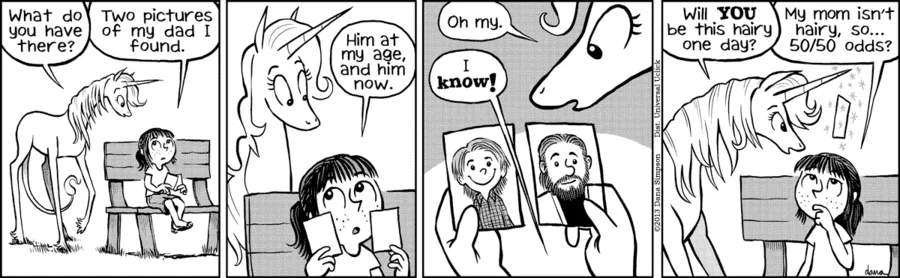
Photo Link: https://www.gocomics.com/phoebe-and-her-unicorn/2026/06/08
Big Nate
Very relatable for middle school students.
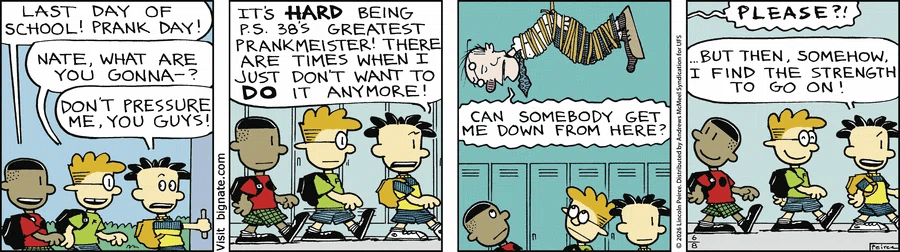
Photo Link: https://www.gocomics.com/bignate/2026/06/08
Download the Full Lesson Here
This includes the lesson plan, lesson PPT & Printable Worksheets
Every student can be successful with this lesson.
Strong artists can focus on character design and visual storytelling. Strong writers can focus on dialogue and jokes. ESL students can communicate ideas without needing to write long stories.


Leave a comment